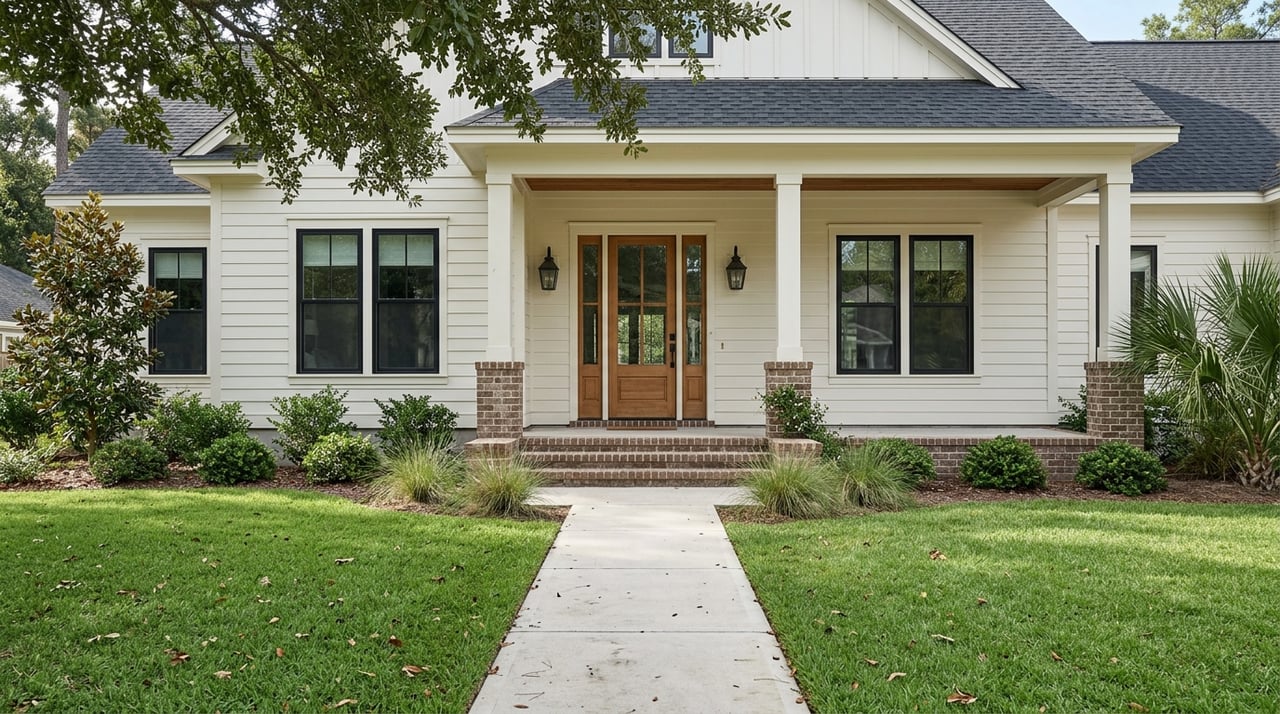
Charleston Or Summerville? How To Choose Your Home Base
May 7, 2026
May 7, 2026
Trying to choose between Charleston and Summerville? You are not alone. Many buyers moving within the Lowcountry or relocating from out of town end up weighing the same question: do you want to be closer to the center of Charleston’s historic urban core, or do you want more space and a more suburban setup in Summerville? The right answer depends on how you live day to day, what you want your budget to do, and how much flexibility you need in your routine. Let’s break it down.
Charleston and Summerville serve different needs. Charleston is the larger, more urban and historic market, while Summerville functions more as a fast-growing suburban hub for the region.
That difference shows up quickly in the numbers. Charleston has a population of 157,665, compared with 52,625 in Summerville. In practical terms, that often translates to a bigger-city feel in Charleston and a smaller-scale, suburban rhythm in Summerville.
For most buyers, budget is the clearest starting point. In March 2026, Charleston’s median sale price was about $677,500, while Summerville’s was about $360,000.
That is a major gap, and it can reshape your options right away. If you want to stay closer to downtown Charleston and its surrounding neighborhoods, you will likely pay more for location and character. If you want your budget to stretch toward more square footage or newer construction, Summerville may open up more choices.
Based on current market data, Charleston often asks buyers to pay a premium for centrality, historic character, and easier access to downtown amenities. Summerville tends to offer more price efficiency, which is why many move-up buyers and relocating households give it serious consideration.
That does not make one better than the other. It simply means the financial tradeoff is different. One market leans toward location and urban setting, while the other often leans toward space and value.
The two markets are active, but they do not move in exactly the same way. Charleston homes were taking about 75 days to sell, compared with 109 days in Summerville.
Sale-to-list ratios were still fairly close: 97.7% in Charleston and 98.5% in Summerville. That suggests buyers in both places should expect a competitive, active market, even though pricing and timing can vary.
Once price is clear, your next question should be lifestyle. Your home base shapes your commute, your errands, and how connected you feel to the places you visit most often.
Charleston’s mean travel time to work is 24.2 minutes, while Summerville’s is 30.1 minutes. That number does not tell you your exact drive time, but it does suggest Charleston is generally the easier base if you want to stay closer to central job hubs.
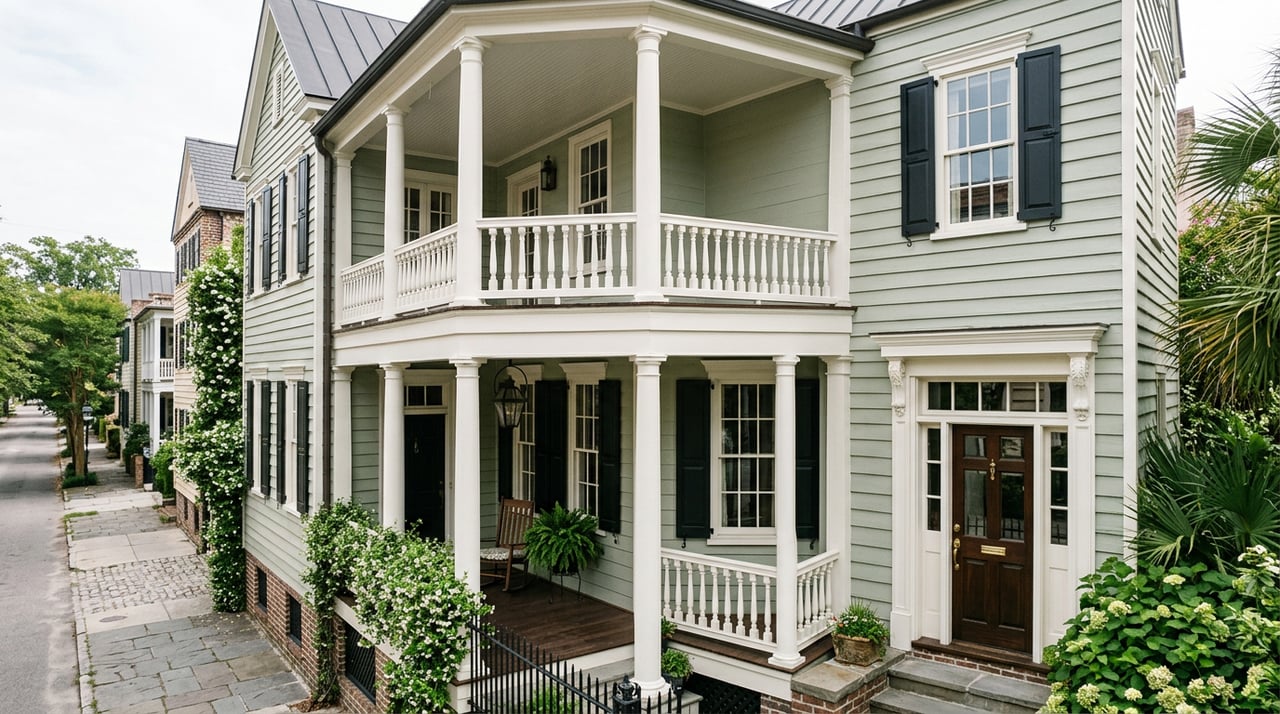
Charleston is known for its historic-urban fabric. The city’s Downtown Plan was created specifically for downtown business and residential areas, and the Board of Architectural Review oversees exterior changes in historic districts and other protected properties.
For you as a buyer, that can mean established neighborhoods, preserved streetscapes, and strong architectural character. It can also mean more review and more rules for visible exterior updates in certain areas. If charm and centrality matter most, those tradeoffs may feel worthwhile.
Summerville has a different identity. The town describes itself as the Flower Town in the Pines and emphasizes preserving the past while planning for future growth.
Its planning framework reflects that. Summerville’s Planning Department guides land use, smart growth, zoning, transportation, parks, and neighborhood development through its Comprehensive Plan, and its development code encourages planned communities built under a single master plan.
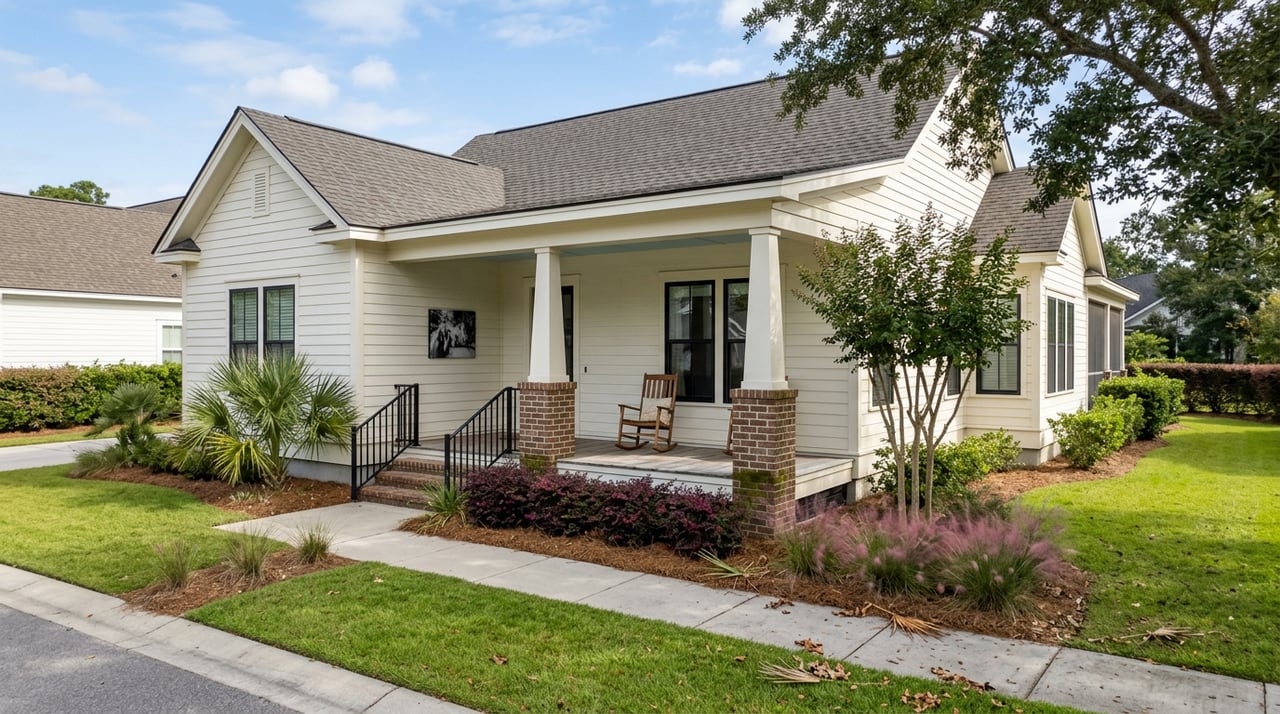
That helps explain why many buyers connect Summerville with newer neighborhoods, organized growth, and a suburban town-center feel. If you are looking at places like Nexton and other planned communities in the broader Summerville area, this kind of framework is often part of the appeal.
If you are not ready to buy immediately, rent prices can also provide useful context. Charleston’s median gross rent was $1,722, compared with $1,414 in Summerville.
That difference mirrors the ownership market. Charleston tends to carry a higher price point overall, while Summerville may offer a lower-cost way to test the area before making a purchase.
There is also a difference in housing profile. Charleston had an owner-occupied housing rate of 55.6%, while Summerville’s was 68.0%, which points to a more renter-heavy urban profile in Charleston and a more owner-occupied suburban profile in Summerville.
If school assignment matters to your home search, use exact addresses, not just city names. In Charleston County, school-aged children are assigned to a neighborhood school based on home address, with magnet and charter options also available.
In the Summerville area, Dorchester School District Two also uses address-based school lookup tools. Families often compare schools such as Summerville High, Ashley Ridge High, and Fort Dorchester High, but the correct approach is still to verify zoning by the specific property address.
As you narrow your options, create a short list of homes first. Then verify school assignment for each property individually.
This matters because city labels can be misleading. A Charleston mailing address or a Summerville label does not always tell you everything you need to know about school assignment.
If you are leaning toward Charleston, there are a few practical issues to review early. The City of Charleston notes that FEMA flood maps help lenders determine insurance requirements, and the city points to coastal flooding sources that include the Ashley, Cooper, and Wando Rivers as well as tidal creeks.
That does not mean you should avoid Charleston. It means you should plan carefully, ask questions early, and understand possible insurance and property-specific considerations before you commit.
In some Charleston areas, historic preservation rules may shape what you can do to the exterior of a home. Properties in historic districts may be subject to Board of Architectural Review oversight for visible exterior changes.
If you love older homes and historic surroundings, this may feel like part of Charleston’s value. But it is still something to understand before you buy, especially if you expect to renovate or make visible updates.
Summerville’s tradeoffs are different. Buyers there are more likely to encounter phased development, road improvements, and changing infrastructure tied to growth.
The town tracks a comprehensive traffic plan, road projects, and long-range planning updates. That is useful if you value newer construction and planned neighborhoods but also want a realistic view of how traffic patterns and infrastructure may evolve over time.
One of Summerville’s strengths is that many areas are being built with a long view in mind. The town’s growth framework includes mixed-use planning, residential neighborhoods, and infrastructure investment.
For some buyers, that is a plus because it supports newer homes and coordinated development. For others, it means paying attention to future buildout, nearby road changes, and how the area may feel several years from now.
| Factor | Charleston | Summerville |
|---|---|---|
| Median sale price | About $677,500 | About $360,000 |
| Mean travel time to work | 24.2 minutes | 30.1 minutes |
| Population | 157,665 | 52,625 |
| Median gross rent | $1,722 | $1,414 |
| Housing feel | More urban and historic | More suburban and growth-oriented |
| Key due diligence | Flood maps, historic review | Traffic planning, phased growth |
If you are deciding between the two, ask yourself a few honest questions:
Your answers will usually point in a clear direction. Charleston is often the better fit if you want centrality, historic character, and a more urban daily routine. Summerville is often the better fit if you want price efficiency, newer neighborhoods, and a more suburban setup.
The good news is that this is not really about picking the “better” place. It is about choosing the place that fits your lifestyle, budget, and long-term plans.
For some buyers, Charleston is worth the premium because they want to stay close to the center of the region and enjoy an older, more established setting. For others, Summerville offers the better path because it creates more room in the budget and aligns with the appeal of newer homes and planned communities.
When you look at the numbers and the day-to-day tradeoffs together, the picture becomes much clearer. And once your priorities are clear, the home search gets easier too.
If you are comparing Charleston and Summerville and want guidance tailored to your budget, commute, and goals, Roslyn Kay Parker can help you narrow your options and move forward with confidence.
Roslyn Kay is not your typical 9 to 5 Agent that waits on an opportunity for clients, she creates it! The time is now, let's make history together. Contact her today to find out how she can be of assistance to you!
Get In Touch With Me To Learn More

ROSLYN KAY PARKER
700 Nexton square Drive, Summerville, SC 29486