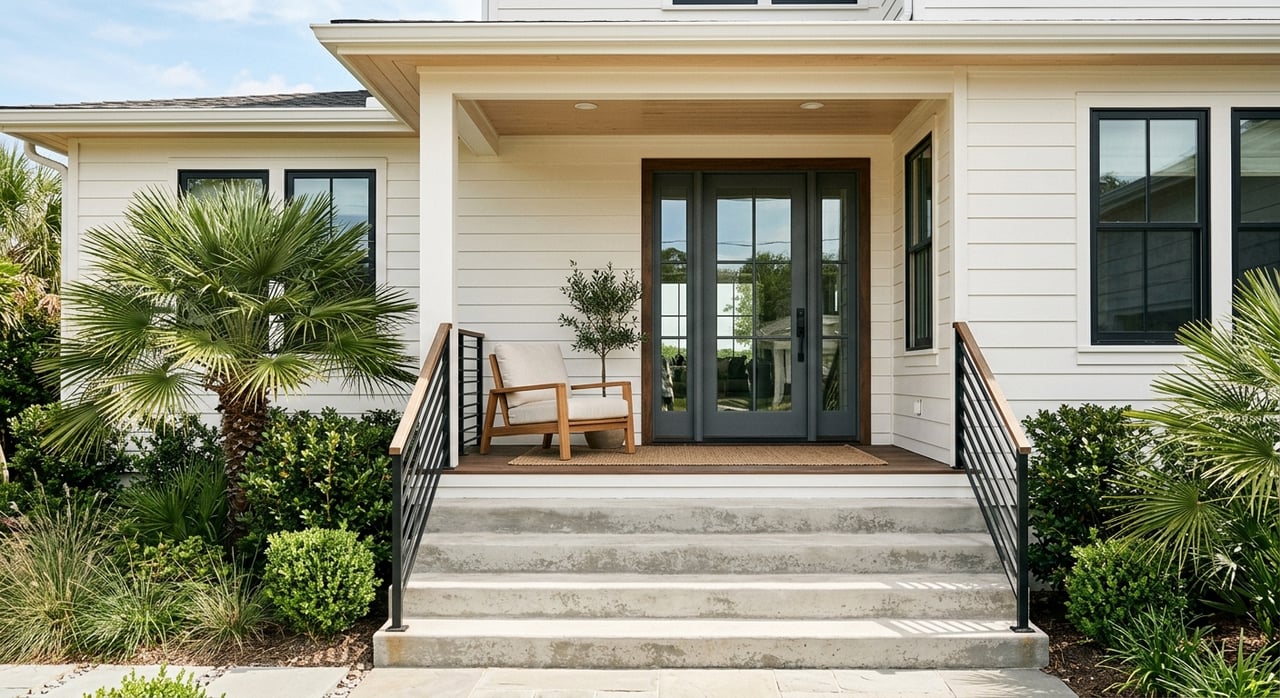
Buying a Second Home on Isle of Palms: Costs and Rules
March 26, 2026
March 26, 2026
Buying a second home on Isle of Palms can feel like equal parts dream and homework. You picture long weekends by the ocean and maybe some rental income to offset costs. But coastal property has rules, risks, and expenses you do not see inland. In this guide, you will learn the essentials on local short‑term rental rules, taxes, insurance, HOA fees, financing, and a practical checklist to buy with confidence. Let’s dive in.
Before you shop, decide how you will use the property. If you only plan occasional personal use, you will focus on lifestyle, flood risk, and carrying costs. If you plan to rent often, you are running a small business with licensing, guest rules, lodging taxes, and tighter financing and insurance needs. Clarifying this up front will guide your search and your numbers.
If you rent on Isle of Palms, you must hold a city residential rental business license and follow occupancy, parking, and contact rules. The city outlines the process, including an occupancy formula of 2 persons per bedroom plus 2, with a typical cap of 12, and a daytime gathering cap of twice the posted overnight occupancy or 40. You must list a 24/7 local contact who can be on‑site within one hour, and repeat nuisance violations can lead to license revocation. Review the city’s current requirements on the Isle of Palms short‑term rental page for applications, parking details, and compliance steps: Isle of Palms short‑term rental license and rules.
For stays under 30 days, you must collect and remit a stack of state and local taxes that totals about 14 percent. The city breaks down state sales tax, local options, state accommodations, county and city accommodations, and the city beach preservation fee on the rental page above. These are separate from your income taxes. Plan cash flow using gross rent, then subtract lodging taxes, management and cleaning, and operating costs so you can see your true net.
If you use a manager or written rental agreements, be aware of state rules for vacation rentals. The South Carolina Vacation Rental Act defines vacation rental agreements and manager trust account requirements. If you inherit bookings at closing, the Act also governs how those agreements transfer.
South Carolina taxes a primary residence at 4 percent of market value but a second home or non‑owner‑occupied residential property at 6 percent. That higher assessment ratio increases your tax base on an IOP second home. Use the 6 percent ratio when you model your annual bill and apply the current local millage. See the SC Department of Revenue overview on assessment ratios for definitions and guidance.
IOP is a high‑price coastal barrier island with home values that typically range from the mid‑six figures to the multi‑million‑dollar level. For current numbers and trends, check the latest data on Zillow’s Isle of Palms home values page.
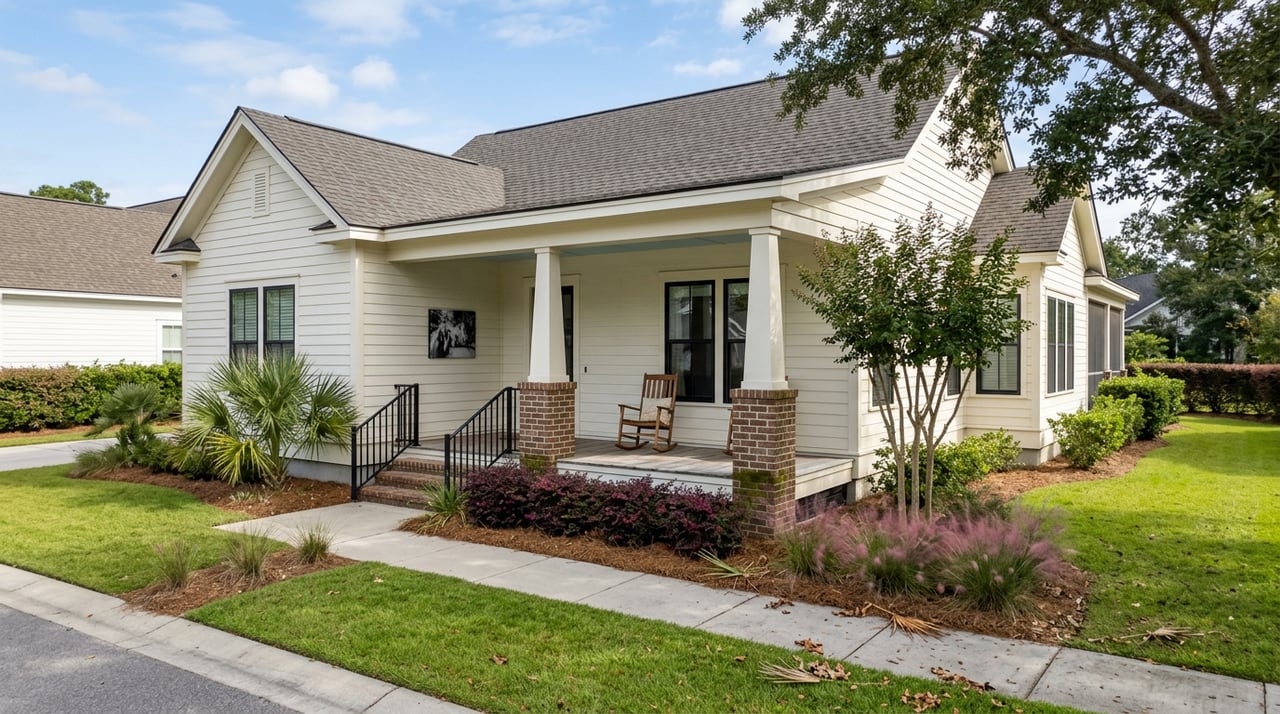
Common property types you will see:
Seasonality is real. Summer drives peak demand, with strong shoulder seasons in spring and early fall. Major Charleston events also influence bookings and travel patterns.
Set a full‑year budget before you write offers. Start with these categories.
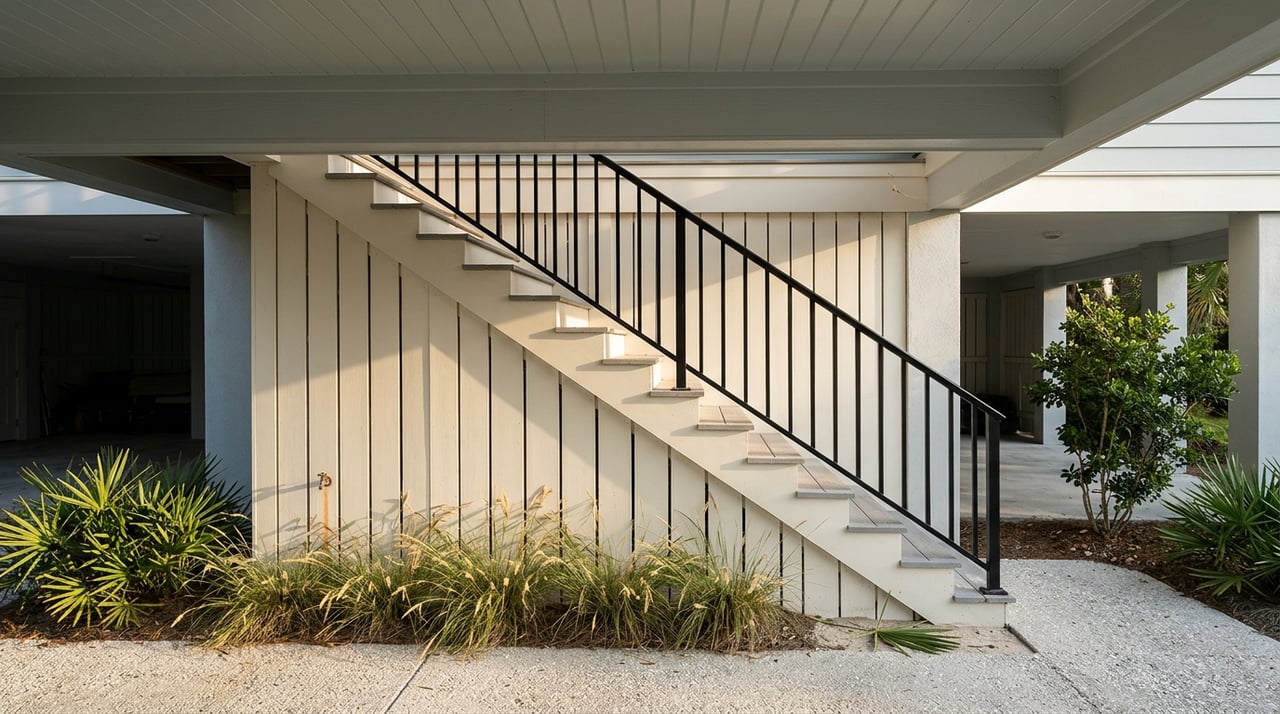
Most of Isle of Palms falls within FEMA AE or VE flood zones, and the city’s building rules follow current flood maps effective January 29, 2021. Properties in VE zones face stricter standards, including V‑zone certifications and engineered designs for certain work. The city also enforces the NFIP “substantial improvement or damage” rule. If improvements exceed a set percentage of the building’s value, you may have to bring the entire structure up to current code. Review local guidance and ask about elevation, permits, and prior improvements on the city’s flood and damage prevention page.
Wild Dunes blends single‑family homes and condos within a gated, resort‑style setting. Expect multiple governing documents, a WDCA assessment, possible regime dues, and separate club memberships for certain amenities. If you plan to rent, note that Wild Dunes has a short‑term rental policy that disallows pets for STR tenants and charges an annual rental access fee. Review assessments, insurance coverage, reserves, and rules in the Wild Dunes Owners FAQ before you write an offer.
Oceanfront properties on Front Beach face direct wave and surge exposure and are commonly in VE or AE zones. Construction, elevation, and insurance costs often reflect that higher risk. Harbor and canal‑front homes offer boating access with different surge and wave profiles, and sometimes higher base flood elevations on the maps. For any IOP property you plan to rent, confirm off‑street parking capacity and review occupancy and parking rules on the city’s short‑term rental page.
Lenders underwrite second homes differently than primary residences and investment properties. Many conventional second‑home loans expect solid credit, a max debt‑to‑income ratio near 45 percent, and down payments around 10 to 20 percent depending on the product. If you plan to operate frequent short‑term rentals, some lenders may classify the loan as an investment property and require more money down. Review the basics and compare offers using this Bankrate overview of second‑home mortgages, then get a pre‑approval aligned with your intended use.
Use this section as your one‑page buyer checklist for IOP second homes.
Confirm use and zoning
Validate rental history and bookings
Assess flood risk and insurance
Review HOA/regime documents
Check title, survey, and permits
Understand local compliance and taxes
Lender and tax review
Buying on a barrier island rewards careful planning. You want local insight on neighborhoods, insurance, flood zones, regimes, and rental operations, plus a tight team to keep the process smooth if you are out of town. With deep Charleston‑area experience and vetted lender, insurance, and management partners, Roslyn guides you from first tour to close with clarity and care.
Ready to explore second‑home options on Isle of Palms or compare Wild Dunes to oceanfront and harbor areas? Connect with Roslyn Kay Parker to start a focused, step‑by‑step plan that fits your goals.
Roslyn Kay is not your typical 9 to 5 Agent that waits on an opportunity for clients, she creates it! The time is now, let's make history together. Contact her today to find out how she can be of assistance to you!
Get In Touch With Me To Learn More

ROSLYN KAY PARKER
700 Nexton square Drive, Summerville, SC 29486