Buying a home in Charleston when you are not here can feel risky. You want clear steps, trusted eyes on the ground, and confidence that your closing will go smoothly. In this guide, you will learn exactly how remote homebuying works in Charleston: what you can do from your laptop, what must happen locally, and how your team coordinates every step from offer to keys. Let’s dive in.
What remote closings allow in South Carolina
Electronic signatures are widely accepted in real estate. Many lenders now support eSign and some support eNotes and eNotary workflows. The key is early confirmation that your lender and loan investor accept your specific eClosing method. Investor rules like those from Freddie Mac govern what platforms and notarization types are permitted for that loan product. You should confirm acceptance up front using the lender’s guidance and investor FAQs from sources such as Freddie Mac’s electronic loan document guidance.
South Carolina permits electronic notaries, but in-state remote online notarization (RON) is not authorized for South Carolina commissioned notaries at this time. An electronic notarization in South Carolina still requires the signer to appear in person before the notary. Always ask your closing attorney if they will use in-person e-notarization (IPEN), RON performed by a notary commissioned in another state, or wet-ink notarization. You can review the state’s electronic notary announcement through the South Carolina Secretary of State and check industry trackers that list South Carolina among states without in-state RON, such as the National Notary Association. Acceptance of an out-of-state RON depends on the lender, title insurer, and county, so verify early.
South Carolina is an attorney-supervised closing state. A South Carolina-licensed attorney coordinates your closing, title work, and disbursements, and confirms what signing options are allowed under ethics rules, lender instructions, and title insurer requirements. Your agent should introduce you to a trusted closing attorney and confirm the remote signing plan in writing. For background, see the South Carolina Bar’s ethics guidance on attorney supervision.
Charleston County digitizes deed and mortgage records and offers online tools. Many closing teams submit documents for recording electronically. Turnaround depends on volume, document type, and vendor compatibility, so your closing attorney will set expectations for recording and confirmation of ownership. You can explore the Register of Deeds resources at the Charleston County Register of Deeds.
Your step-by-step remote timeline
1) Search and vet homes
- Use virtual tools: 3D tours, high-resolution photos, floor plans, drone footage, neighborhood videos, and live FaceTime or Zoom walk-throughs. Ask for raw video of the HVAC, electrical panel, crawlspace, attic, roof, and utility meters.
- Get preapproved and confirm total costs: property taxes, homeowner’s insurance, and any flood insurance if applicable. Your agent can request recent utility bills and past tax data for context.
- Ask your agent to record each tour and store everything in a shared folder so you can review details on your schedule.
2) Offer and contract
- You can e-sign your offer and most contract addenda. The listing side may still request some originals, and the closing attorney will confirm which pages need wet ink.
- South Carolina law requires the seller to deliver a Residential Property Condition Disclosure Statement before or at contract. Your agent should obtain it early and flag items that need follow-up. You can read the statute in the South Carolina Code.
- If the property has an HOA, have your agent order the HOA documents and any resale packet right away. Some associations take several business days to produce full packets.
3) Inspections and due diligence (often 7 to 14 days)
- You typically negotiate a defined inspection window. During that time, you order a general home inspection and any specialty inspections you need: roof, HVAC, pool, septic or well, and a wood-destroying insect (termite) inspection if the lender or appraiser requires it.
- FHA and some loan programs can require a termite inspection or treatment if the appraiser notes evidence or local practice calls for it. Review guidance summarized in the FHA Handbook reference.
- Attend inspections by video if you cannot be on site. Ask inspectors to record a guided walk-through and include measurements, serial numbers, and repair recommendations.
4) Appraisal and underwriting
- For financed purchases, plan on about 30 to 45 days from contract to close. Cash purchases can be faster, often 7 to 21 days if title is clear and recording is straightforward. Your lender will give you a timeline and lock milestones.
- The appraiser may need interior access. Your agent will coordinate entry and can also ask your lender if alternative appraisal methods are permitted for your loan program.
5) Closing documents and notarization
- Common options in South Carolina include: wet-ink signing in person, in-person electronic notarization (IPEN with a South Carolina electronic notary), or a RON session handled by a notary commissioned in a RON state when the lender, county, and title insurer accept it. Review the SC Secretary of State’s e-notary information and the National Notary Association’s overview for context.
- Some documents may still require wet ink or a specific platform. Investor and lender rules, like those in Freddie Mac’s eClosing guidance, control what is acceptable.
- If RON is not an option, your attorney may arrange a mobile notary where you live, or prepare a limited power of attorney when allowed by the lender. Confirm any POA limitations early with your closing attorney.
- Your South Carolina closing attorney manages the final package, instructions, funding, and disbursements under attorney supervision. See the SC Bar ethics guidance for the local standard.
6) Recording, funding, and keys
- After you sign, the closing attorney submits documents for recording with Charleston County, then confirms recording and releases funds according to the settlement statement. Turnaround varies based on volume and whether eRecording is used. You can review county resources at the Charleston County Register of Deeds.
- Your agent coordinates keys, lockbox pickup, and any local handoff. If you are arriving later, your agent can arrange contractor access and help with utility transfers.
What your local agent should do for you
- Deliver the Residential Property Condition Disclosure early and flag any items that need more detail or repair quotes.
- Schedule and attend all inspections. Livestream and record them for you, and upload reports and videos to a shared folder.
- Order a licensed termite inspection if the lender or appraiser requests it or if there are signs of prior activity.
- Verify flood zone status and request an elevation certificate if available. If the property is in a Special Flood Hazard Area, help you source flood insurance quotes.
- Request and review HOA covenants, rules, resale packet, minutes, and financials where applicable.
- Confirm survey or boundary details and watch for recorded easements or encroachments. Order a current survey if concerns exist.
- Coordinate with the South Carolina closing attorney to confirm the signing method: IPEN, RON, or wet ink. Verify platform requirements and acceptance by the lender and title insurer.
- Confirm the plan for eRecording versus paper originals, expected county turnaround, and the funding timeline.
- Arrange movers, utility transfers, local key handoff, and contractor quotes for any negotiated repairs.
Neighborhood nuances for remote buyers
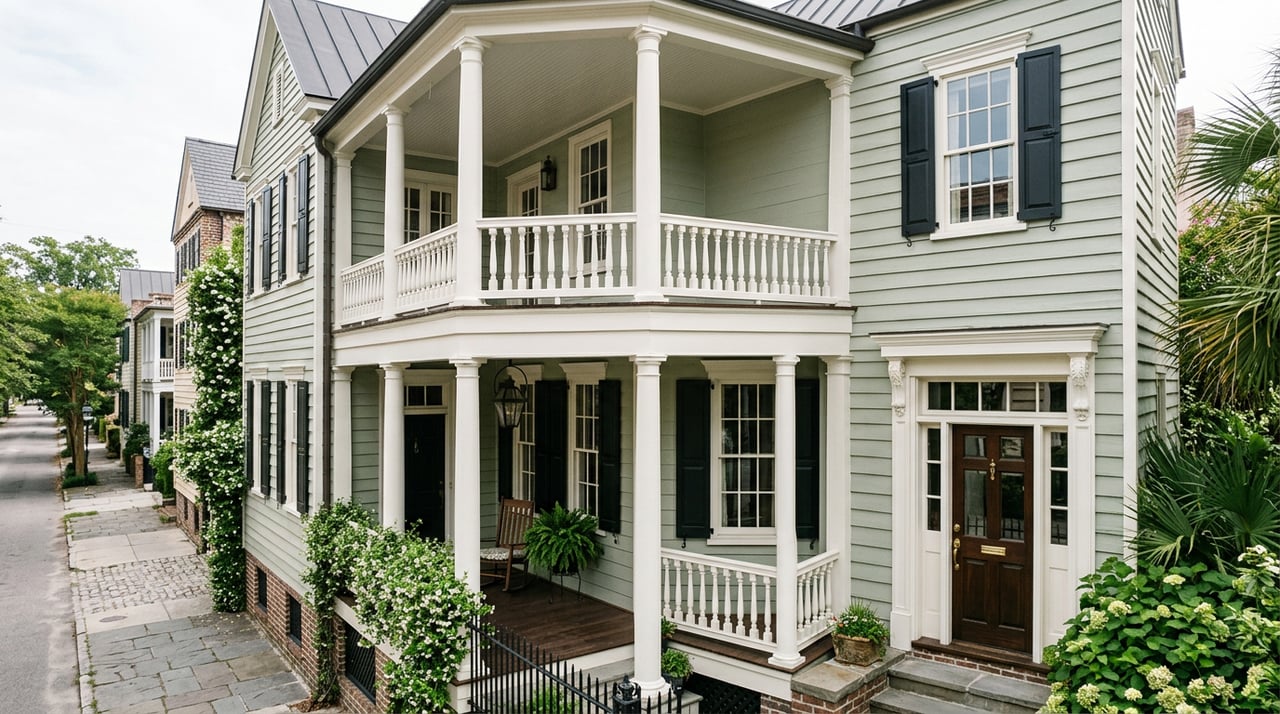
- Charleston Peninsula and Historic District: Inventory is tight and many homes are historic. Ask for detailed videos of exterior elevations, porches, rooflines, crawlspaces or basements, and any past permit history. Confirm flood considerations and parking details.
- Mount Pleasant: A mix of established and newer planned neighborhoods. Request HOA packets early and review community amenities, commute patterns, and neighborhood covenants.
- Daniel Island: Master-planned with resort-style amenities. Virtual amenity tours and recorded walk-throughs help you compare homes efficiently.
- West Ashley and James Island: A blend of older homes and newer subdivisions. Target inspectors familiar with older coastal construction and ask for drainage and foundation notes.
- Johns Island and Cainhoy area: Larger lots and active new construction. Drone footage helps you evaluate lot lines, setbacks, and access roads.
- North Charleston and Summerville: More inventory and value options. Ask for neighborhood-by-neighborhood comps and real-world commute tests at typical drive times.
- Barrier-island beach towns (Isle of Palms, Sullivan’s Island, Folly Beach): Insurance costs can be higher and rental rules vary. Confirm insurance estimates, flood considerations, and any short-term rental restrictions before you write.
Checklists to keep you on track
Ask your agent to handle
- Obtain the Residential Property Condition Disclosure and highlight any affirmative answers for follow-up.
- Provide 3D tours, at least one live high-resolution video walk-through focused on systems, and keep recordings.
- Schedule and attend all inspections, plus a video final walk-through before closing.
- Gather HOA documents, recent utility bills, tax assessments, and check for municipal liens.
- Confirm survey or plat, look for easements, and order a new survey if needed.
- Coordinate with the closing attorney to confirm notarization method, platform, and eRecording plan.
Ask your lender and closing attorney early
- Do you allow eSign, eNotary, or eNotes for this loan and investor? If yes, which parts are hybrid versus fully digital? See investor standards like Freddie Mac’s eClosing guidance.
- If RON is used, which platforms are acceptable and how long are audit trails retained? Industry standards are outlined by MISMO.
- If RON is not allowed, what is the alternative: mobile notary at my location, signing at a local attorney’s office, limited power of attorney, or a hybrid workflow?
Timelines you can plan around
- Cash buyer with clear title: about 7 to 21 days, driven by title search and recording.
- Conventional loan with standard appraisal and inspections: about 30 to 45 days from contract to funding, with appraisal and underwriting setting the pace.
- Hybrid eClosing when in-state RON is not available: add time for any in-person steps, mobile notary scheduling, and overnighting originals to the closing attorney.
Avoid last-minute snags
- Get written confirmation of your notarization workflow, including platform names and that your lender, title insurer, and county will accept it.
- Ensure the seller’s disclosure is delivered before or at contract. If it is missing, press for it immediately because state law requires it.
- Plan a recorded final walk-through the day before closing. Invite your inspector when practical, especially if repairs were negotiated.
Ready to buy from anywhere?
Remote homebuying in Charleston can be smooth when you set expectations early, confirm your notarization plan, and keep a trusted local team in sync. If you want an organized, high-touch process with clear timelines and video support at every step, connect with Roslyn Kay Parker to get started today.
FAQs
How do remote closings work in South Carolina?
- A South Carolina closing attorney supervises the process and confirms whether you will sign by wet ink, in-person electronic notarization, or an approved RON alternative.
What notarization options can I use for a Charleston purchase?
- South Carolina allows electronic notaries for in-person signing and does not authorize in-state RON, so acceptance of out-of-state RON depends on your lender, title insurer, and county.
Do I need to be present for home inspections in Charleston?
- No, your agent can attend, livestream the inspection, and share full reports and recorded videos so you can review conditions and ask questions.
Will my lender accept eSign and eNotary for closing documents?
- Many do, but acceptance is loan- and investor-specific, so confirm early using your lender’s guidance and investor standards.
How long does a remote Charleston purchase usually take?
- Cash purchases often finish in 7 to 21 days, while financed purchases commonly take about 30 to 45 days depending on appraisal and underwriting.
Can I use a power of attorney if I cannot attend signing?
- Sometimes, but many lenders restrict POA for key documents, so ask your attorney and lender early to avoid delays.
When do I get keys if I am out of town?
- After funding and recording are confirmed, your agent coordinates local key pickup or secure lockbox access and helps with utility transfers and contractor entry.