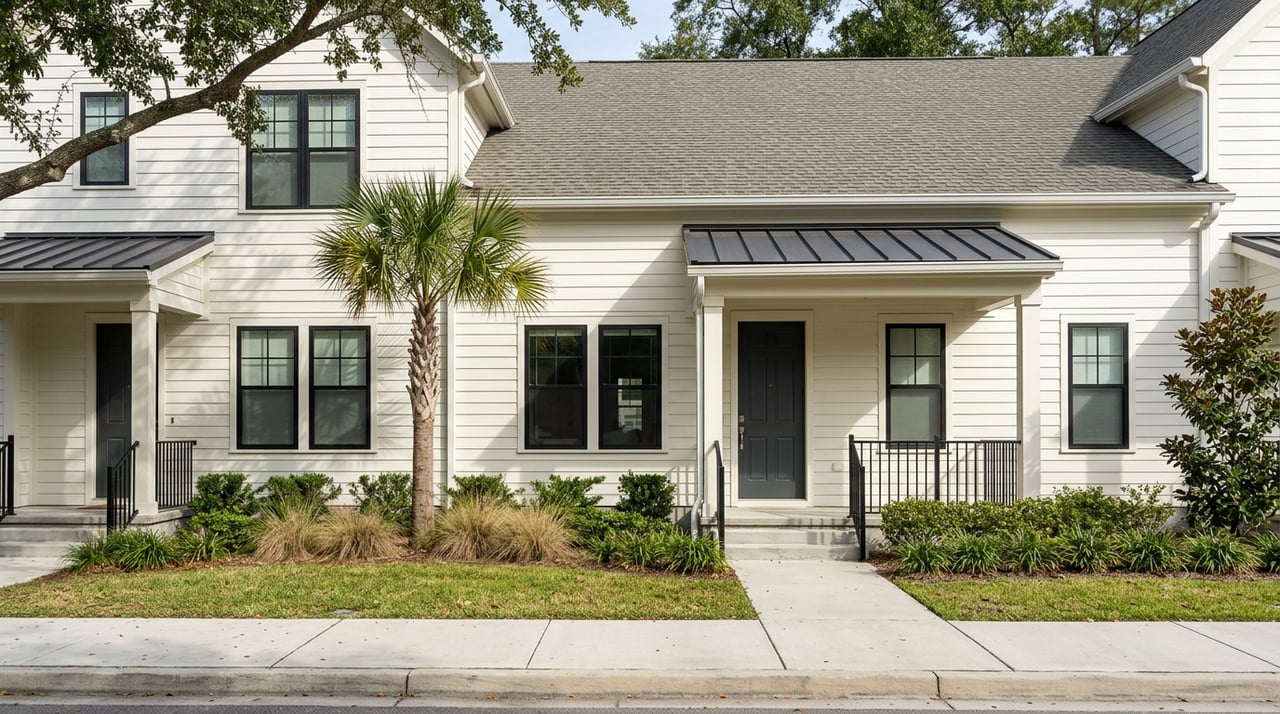
What Buyers Should Know About Mt Pleasant SC Townhomes
May 14, 2026
May 14, 2026
If you want low-maintenance living without giving up space or location, a townhome in Mount Pleasant can be a smart fit. But not every townhome here works the same way, and the details matter more than many buyers expect. From HOA rules to layout differences to flood and drainage questions, knowing what to look for can help you buy with more confidence. Let’s dive in.
Mount Pleasant offers a townhome market that is active, but still limited enough that good options can move quickly. Public listing data currently shows 47 townhouses for sale, with a median listing price of about $625,000 and a typical market time of around 51 days.
That mix can appeal to several kinds of buyers. You may be looking for less exterior upkeep, easier access to shopping and commuting routes, or a home that gives you more space than a condo while requiring less maintenance than a detached house.
Another reason buyers focus on Mount Pleasant is convenience. The area connects you to daily shopping, dining, major roads, and beach access routes, which makes townhomes especially attractive if you want a practical lifestyle with strong location value.
Townhomes in Mount Pleasant come in a wider range of sizes than many buyers expect. Current listings include smaller 2-bedroom homes around 1,020 to 1,120 square feet, 3-bedroom options around 1,344 to 2,269 square feet, and larger 4-bedroom homes around 2,248 to 2,774 square feet.
That means your search should start with how you plan to live, not just the word “townhome.” Some properties feel compact and efficient, while others live more like a single-family home with multiple levels, garages, and amenity access.
You may also see features like two-car garages and community pools in some developments. These details can shape both your day-to-day lifestyle and your monthly carrying costs, so it helps to compare communities carefully.
Townhome inventory is spread across both established and newer parts of Mount Pleasant. Public listing maps show activity in areas such as Old Village Historic District, I’On, Dunes West, Park West, and Carolina Park.
The town’s planning materials also point to different development patterns within Mount Pleasant. The Coleman District is described as a largely residential area with a higher share of duplexes and townhouses than some other parts of town, while Coleman Boulevard is noted as a walkable, community-focused corridor.
Other locations offer a different feel. Johnnie Dodds is identified as a commercial corridor, and Towne Centre serves as a regional shopping destination, so townhomes near these areas may appeal if you want quick access to errands, dining, and major routes.
One of the biggest differences you will notice is between older in-town townhomes and newer planned-community options. Older properties may offer a more central location and a more established setting, while newer communities often bring modern layouts, newer systems, and built-in amenities.
Neither option is automatically better. The right choice depends on your priorities, including commute patterns, preferred home style, storage needs, parking, and how much maintenance you want to manage yourself.
If beach access matters, remember that most Mount Pleasant townhome living is a mainland-to-beach lifestyle. Ben Sawyer Boulevard is identified as a gateway to the area beaches, and nearby island destinations like Isle of Palms and Sullivan’s Island add to the appeal of the location.
This is the part many buyers need to understand before they make an offer. In South Carolina, HOA-governed property may be structured as a unit in a horizontal property regime or as a lot in a subdivision, and that distinction can affect how the property functions.
Associations are created to manage and maintain planned communities or horizontal property regimes, and they may collect assessments for taxes, insurance premiums, maintenance, improvements, and other common expenses. Governing documents also must be recorded to be enforceable.
In plain terms, two townhomes with similar price points can come with very different ownership responsibilities. One may feel close to fee-simple ownership, while another may operate more like condo ownership with more shared exterior obligations handled by the association.
For condo-style townhomes, South Carolina’s Horizontal Property Act defines common elements broadly. Those common elements can include the land, foundations, main walls, roofs, stairways, and other shared systems and areas.
That is why you should never assume what the HOA covers. In one community, your dues may include substantial exterior maintenance and insurance components. In another, the HOA may focus more on shared spaces and amenities, leaving more upkeep in your hands.
Before you buy, make sure you understand who handles the roof, siding, exterior repairs, landscaping, and insurance for shared elements. That clarity can affect both your monthly budget and your long-term expectations as an owner.
A townhome purchase should include careful HOA review, not just a quick glance at the dues amount. South Carolina consumer guidance makes it clear that recorded documents matter because the state does not have one single comprehensive HOA law covering everything.
At a minimum, you should review:
You should also confirm whether the residential property disclosure identifies the home as HOA-governed. State guidance notes that owners in some associations may inspect budgets and membership lists, and state law requires notice before annual budget increases in applicable associations.
Monthly dues are only useful when you know what they include. Ask whether dues mainly cover routine upkeep, shared amenities, insurance costs, or future repairs and capital projects.
It is also smart to ask how the association plans for bigger expenses. A lower monthly fee can sound appealing at first, but it may not tell the full story if reserves are limited or major work is expected later.
Many buyers choose Mount Pleasant because the location supports a busy, flexible lifestyle. Mount Pleasant Towne Centre is a 500,000-square-foot open-air shopping destination with more than 65 stores and restaurants at I-526 and Highway 17.
That level of convenience helps explain why townhomes near Coleman, Johnnie Dodds, and connector roads often get attention. If you want easier shopping access, practical commuting routes, and a lock-and-leave style home base, this part of the market can make a lot of sense.
The beach factor matters too. Isle of Palms has six miles of white sandy beaches, and Sullivan’s Island is known for beaches and public outdoor spaces, including Thomson Park at Breach Inlet. For many buyers, being close to those destinations adds meaningful lifestyle value even without direct beachfront ownership.
No one can promise future appreciation, but buyers should still think about resale from day one. Mount Pleasant’s 2024 population estimate was 95,604, which is 5.1 percent higher than the 2020 Census count.
Population growth does not tell the whole story, but it does suggest continued demand for housing in the area. In a market like this, buyers often pay close attention to practical features such as parking, functional floor plans, community condition, and whether an association appears well managed.
When you compare townhomes, think beyond the finishes. A beautiful kitchen matters, but layout flow, guest parking, storage, and HOA health can also shape long-term buyer appeal when it is time to sell.
In Mount Pleasant, drainage deserves a place on your checklist. The town’s Old Village stormwater program notes that many homeowners may still experience ponding during heavy rain events, and the town has created a GREEN Commission focused on flood resilience and green space.
This does not mean every townhome has a drainage issue. It does mean buyers should ask direct, property-specific questions, especially in older or lower-lying areas.
Before closing, consider asking about:
These questions can give you a more complete picture of ownership costs and everyday livability.
A strong townhome search starts with matching the property type to your real life. If you are relocating, downsizing maintenance, or trying to stay close to Charleston-area amenities without buying a detached home, a townhome can be a strong middle ground.
As you compare options, focus on the details that shape daily life most:
When you look at townhomes through that lens, it becomes much easier to tell which listings truly fit your goals and which only look good at first glance.
If you are considering a townhome in Mount Pleasant, the right guidance can help you sort through community rules, layout tradeoffs, and location differences without feeling overwhelmed. Roslyn Kay Parker brings a thoughtful, relationship-first approach to helping buyers make informed moves across the Greater Charleston area.
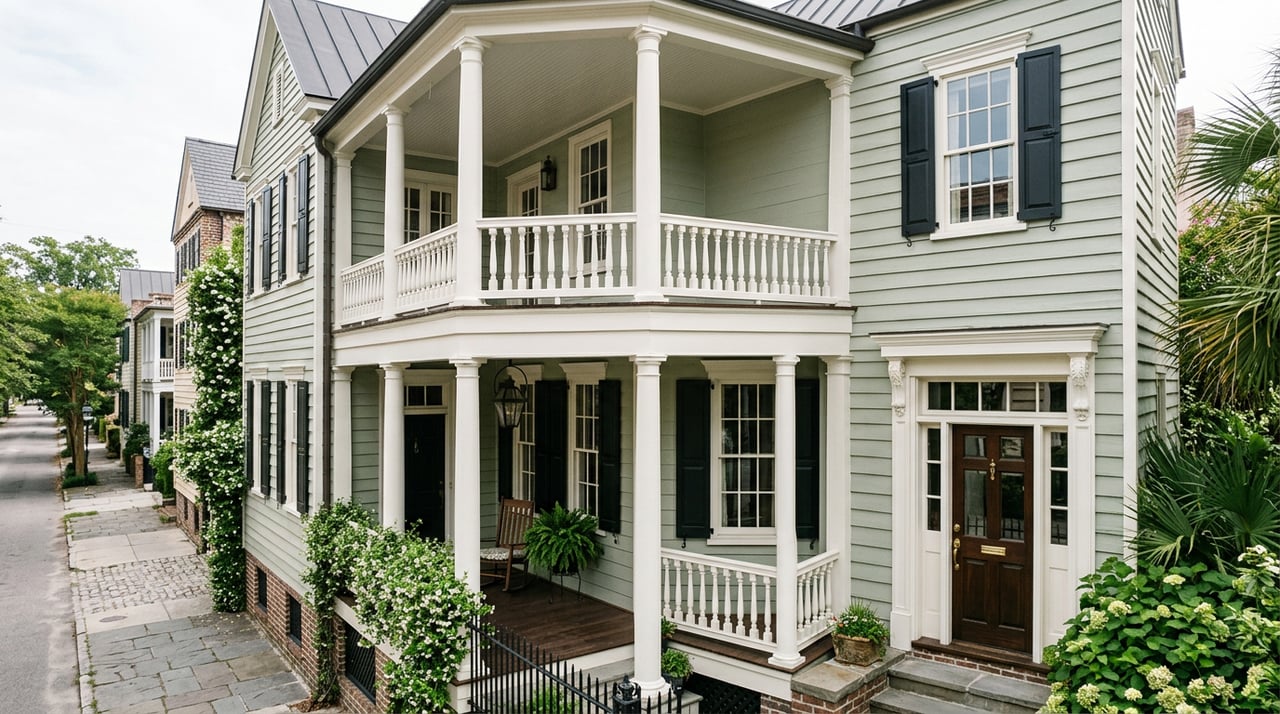
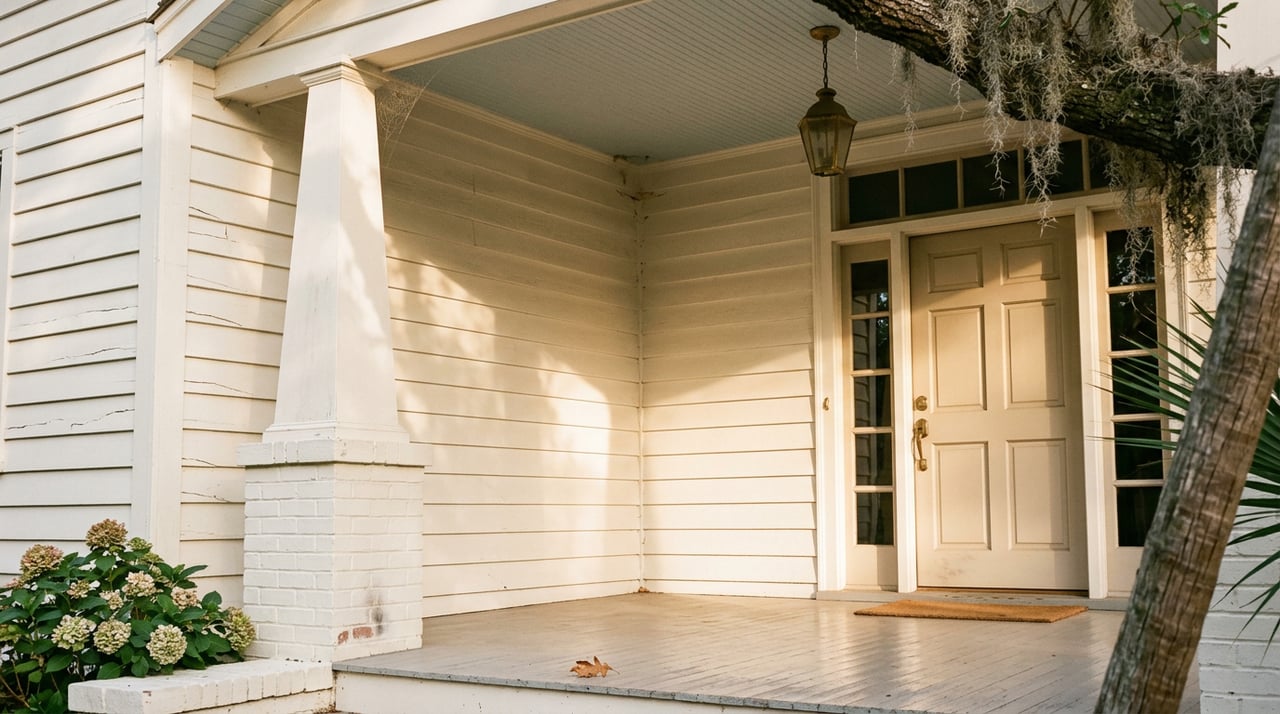
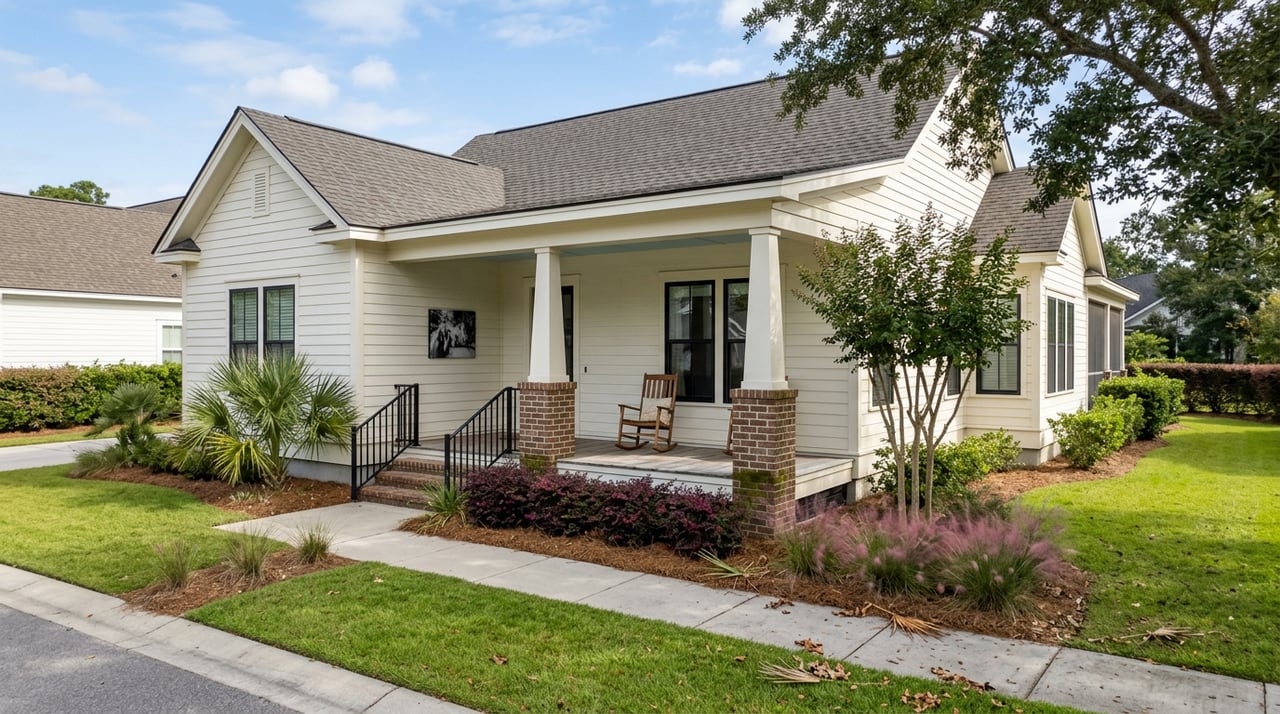
Roslyn Kay is not your typical 9 to 5 Agent that waits on an opportunity for clients, she creates it! The time is now, let's make history together. Contact her today to find out how she can be of assistance to you!
Get In Touch With Me To Learn More
ROSLYN KAY PARKER
700 Nexton square Drive, Summerville, SC 29486