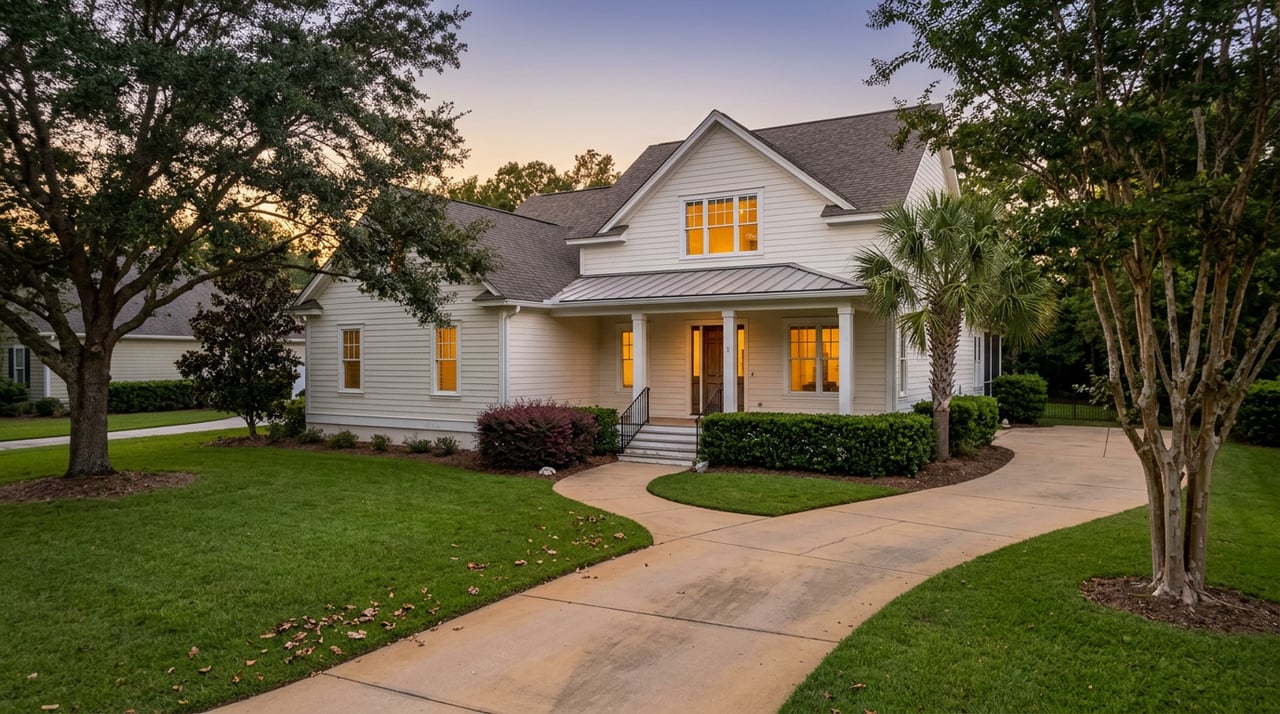
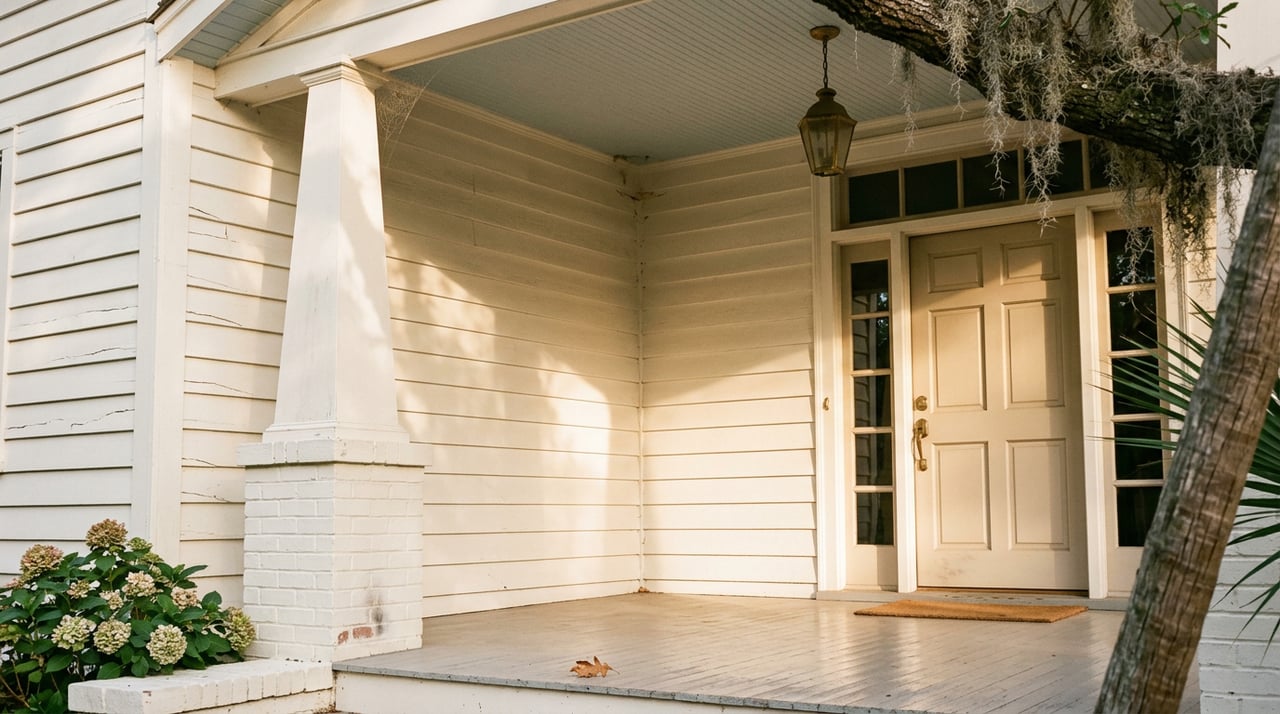
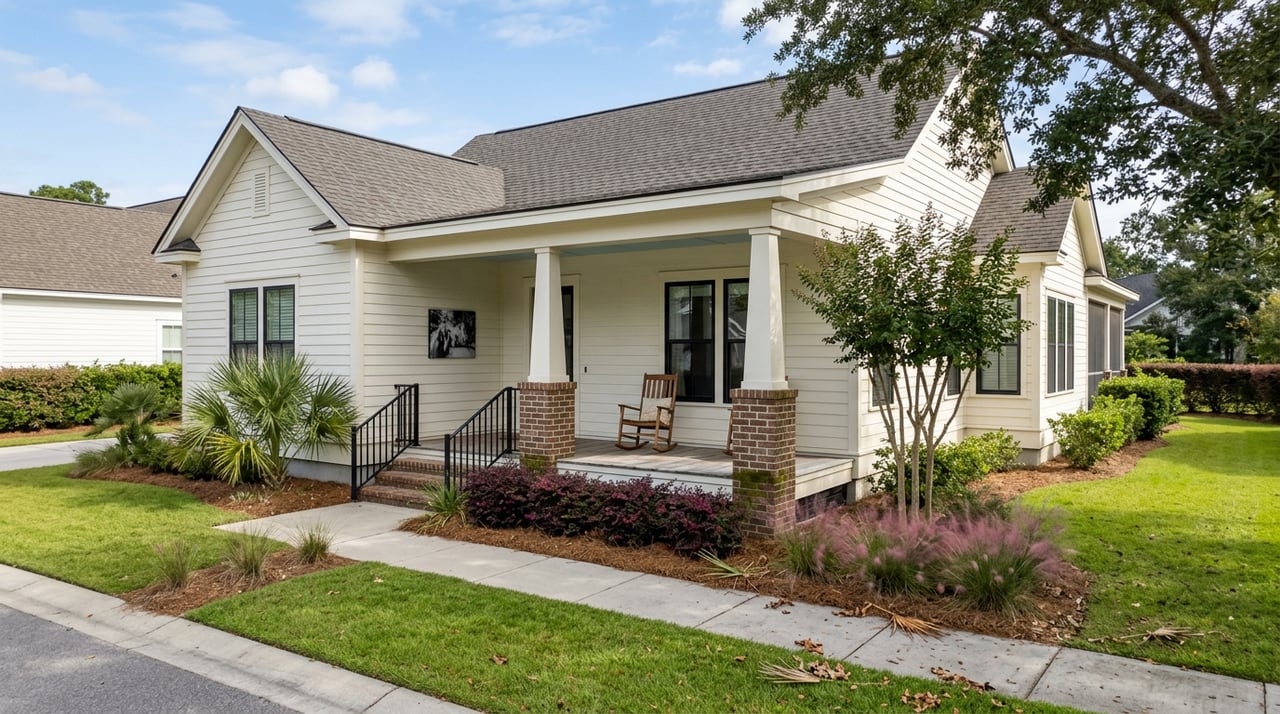
You just closed on a beautiful new home in Del Webb Nexton, and everything feels brand new. Still, you may be wondering what happens if something needs attention once you move in. Builder warranties can be confusing, and missing a deadline can mean paying for a fix later. This guide gives you the essentials you need: what is usually covered, what is not, key timelines, and how to document and submit claims so you get results. Let’s dive in.
Builder warranty basics
New-construction warranties often follow a tiered structure. Think of it as a set of time windows for different types of issues. Your exact coverage comes from your purchase contract and the written warranty you receive at closing, so keep those handy.
Common coverage tiers
- Pre-closing items noted during your final walkthrough are typically handled right away or soon after closing.
- First 30 to 60 days often focus on obvious or cosmetic defects that show up once you start living in the home.
- A one-year workmanship and materials warranty commonly covers finishes like paint, trim, doors, windows, cabinets, tile, and basic installation defects.
- Some builders provide limited coverage on major systems like HVAC, plumbing, and electrical for up to two years. Others cover these under the one-year period and rely on manufacturer warranties.
- A 10-year limited structural warranty is common through an independent provider. This usually covers qualifying structural issues affecting major load-bearing components.
What is typically covered
Coverage varies by builder and by the written warranty, but these categories are common:
- Workmanship and materials: Interior finishes such as paint, trim, cabinetry, tile grout, doors and windows, and installation-related defects.
- Systems: HVAC, plumbing, and electrical are often covered for at least one year. Some builders extend limited systems coverage for two years.
- Structural: Many new homes carry a 10-year limited structural warranty for major load-bearing components and foundation issues.
- Exterior components: Roof installation workmanship, siding, windows, doors, and gutters often have defined short-term coverage for workmanship or materials.
- Appliances: Typically covered by the manufacturer’s warranty. Register appliances after move-in and keep serial numbers and paperwork.
What is usually excluded
Most builder warranties limit or exclude:
- Normal wear and tear or damage from homeowner use, misuse, or lack of maintenance.
- Damage from severe weather or events beyond the builder’s control.
- Minor cracking or cosmetic changes from normal settling or seasonal movement unless they exceed the builder’s defined thresholds.
- Landscaping, grading, driveways, sidewalks, fencing, and irrigation may be limited or excluded, or covered only for a short period.
- Items covered by separate manufacturer warranties such as appliances and certain mechanical components.
- Work modified by homeowners or outside contractors after closing.
Walkthroughs and punch lists
Walkthroughs are your early checkpoints to document the condition of your home and request fixes. A clear, organized punch list increases the chance of quick resolution.
Final orientation before closing
Schedule your final walkthrough with the builder. If allowed, consider bringing an independent home inspector or use a thorough checklist. Operate windows and doors, run faucets and toilets, test outlets and switches, confirm HVAC heating and cooling, and scan for paint, trim, grout, and caulking issues. Look outside at grading and drainage to make sure water flows away from the foundation.
First 30 to 60 days after move-in
Live in the home and note anything new that appears. Small leaks, door alignment issues, noises from HVAC, or paint touch-ups often show up during this phase. Submit items promptly through the builder’s preferred channel while crews are still active in the community.
One-year warranty check
Near month 11 or 12, schedule a one-year walkthrough if the builder offers one, or conduct your own detailed inspection. This is when settling issues often surface. Capture drywall cracks that exceed the builder’s standards, inconsistent HVAC performance, roof or plumbing leaks, and window or door operation concerns.
How to create a strong punch list
A good punch list is clear, specific, and easy for the builder’s team to action.
- Prioritize safety and systems. Report any safety hazard or water leak immediately.
- Be precise. Note the location, exact issue, and desired result. Example: “Kitchen, lower left cabinet door: hinge loose, door sits 1/2 inch low.”
- Use photos and short videos. Include a wide shot and a close-up. Video can show function, like a door not latching or a thermostat not triggering the unit.
- Timestamp everything and save originals. Keep your original files with dates and avoid overwriting them.
- Keep a running list. Track what is submitted, acknowledged, and completed. Do not assume an item from the final walkthrough will appear on your one-year list unless you verify.
- Ask for written acknowledgment. Submit through the builder’s portal or email and keep confirmation numbers or replies.
Submitting warranty claims
Builders usually give you a portal or specific email at closing. Use that official channel first.
- What to include: short description, room or location, date discovered, photos and video, and your preferred time windows for access. State if it is a safety or leak issue.
- Keep records: save your submission, ticket numbers, and any responses.
- Response expectations: many builders acknowledge receipt within a few business days. Scheduling depends on trade availability and parts. Safety or code-related items should be prioritized.
When to escalate
If repairs stall or the solution is not working, escalate step by step.
- Follow up in writing. Reference your original ticket and dates.
- Ask for the chain of responsibility. Request contact for the project or warranty manager.
- Identify HOA responsibilities. If an issue relates to common areas or shared systems, coordinate with the HOA or community manager.
- Consider independent inspections. For serious or disputed issues, bring in a home inspector or structural engineer and share the report with the builder.
- Explore consumer protection avenues. If obligations are not met, you can seek guidance from state or local consumer resources. Many warranties and contracts include mediation or arbitration, so review your documents before taking formal steps.
Nexton and Berkeley County tips
Del Webb Nexton sits within the master-planned Nexton community, which uses layered HOA governance. Your section may have HOA rules that differ from master association policies. For exterior or shared-area issues, verify whether the builder or the HOA is responsible before submitting a claim.
Berkeley County Building and Codes oversees permits and inspections. If you suspect a code-related issue, county records may help verify that permitted work and required inspections took place. Keep your closing packet nearby, since it often includes contact information and a summary of what was approved.
The Summerville and Berkeley County area has a warm, humid climate. Moisture management is key. Maintain gutters, downspouts, and grading to move water away from the foundation. Keep interior humidity under control with proper ventilation and HVAC settings. Maintain exterior caulking and paint on a regular cycle, since weather can wear these materials faster. Good maintenance helps prevent damage that might otherwise fall outside warranty coverage.
Your homeowner timeline
Use this quick reference to plan your first year in the home.
- Before closing
- Review the builder’s warranty documents and any addenda.
- Attend the final walkthrough with a checklist and take photos.
- Confirm how to submit warranty claims and who to contact.
- First 30 days
- Verify HVAC, plumbing, electrical, and appliances.
- Report safety issues or leaks immediately.
- Submit obvious cosmetic or finish items while trades are active.
- Months 1 to 6
- Watch for settling issues, drywall cracks, and door or window alignment.
- Check for attic moisture after heavy rain and confirm exterior drainage.
- Continue submitting items as they appear.
- Months 11 to 12
- Schedule a one-year walkthrough or do your own full inspection.
- Submit a consolidated punch list before the one-year period ends.
- After year one
- Note any remaining coverage under extended systems or structural warranties.
- For major unresolved issues, consider independent inspection and guidance.
What to document and keep
Set up a simple digital folder for your home. Include:
- Sales contract, warranty documents, and all addenda.
- Punch lists, tickets, emails, and portal messages.
- Photos and videos with dates. Keep the originals.
- Appliance manuals, serial numbers, and proof of registration.
- Receipts for any temporary repairs you had to handle.
- Reports from inspectors or engineers if you obtain them.
When to call the pros
- Home inspector: Bring one to the final walkthrough if permitted, or schedule an inspection soon after closing to flag early defects.
- Structural engineer: If you see large cracks, bowed walls, or signs of significant settlement, a specialist’s report can speed resolution.
- Attorney with construction experience: For serious disputes, unclear contract language, or costly defects that stall, legal guidance can help you navigate next steps.
Final thoughts
Your builder warranty is a useful safety net, but it works best when you follow the timelines and document everything clearly. In Del Webb Nexton, a proactive approach during the first year can make all the difference in getting issues handled quickly and completely. If you want a local partner who knows the process, community standards, and the right contacts, connect with Roslyn Kay Parker for guidance tailored to your Nexton home.
FAQs
Do builder warranties in Del Webb Nexton cover appliances?
- Appliances are usually covered by manufacturer warranties, so register them and keep serial numbers and paperwork.
When should I report cosmetic issues after move-in?
- Submit cosmetic or finish items as soon as you notice them, often within the first 30 to 60 days, and keep a running list for your one-year review.
What if I discover a problem after the one-year mark?
- Check whether it might fall under extended systems coverage or a 10-year structural warranty, and document the issue with photos and an independent opinion if needed.
Can I hire my own contractor and expect reimbursement?
- Usually no, unless the builder authorizes it in writing; builders typically require their crews or approved subcontractors to perform warranty work.
Who handles issues in common areas in Del Webb Nexton?
- Many shared or exterior items fall under HOA or master association responsibilities, so verify whether it is an HOA matter before filing a builder claim.
How do Berkeley County inspections relate to my warranty?
- County permits and inspections confirm code compliance at key stages, and records may help if you suspect a code-related issue, but your warranty terms still control repairs.
What is a 10-year structural warranty?
- It is a long-term, limited warranty that often covers qualifying defects in major load-bearing components and foundation elements, typically through a third-party provider.