Leave a Message

Thank you for your message. I will be in touch with you shortly.

Lowcountry Home Styles On Daniel Island

December 4, 2025

Love the look of a wide front porch and a gleaming metal roof, but not sure which Daniel Island style fits your life? You are not alone. Coastal architecture is beautiful and practical, but the details matter in our salt air and storm-prone climate. In this guide, you will learn how to spot the most common Lowcountry styles on Daniel Island, which materials stand up to the coast, and what upkeep to expect so you can buy or sell with confidence. Let’s dive in.

What “Lowcountry” means on Daniel Island

Daniel Island sits within the Charleston metro in a classic Lowcountry setting of salt marsh and coastal plain. The climate is humid subtropical with hot summers, mild winters, and periodic tropical storms. Homes here reflect that reality with elevated living spaces, generous porches for shade and airflow, and materials chosen to handle humidity and salt spray. Community design reviews and HOA guidelines often shape exterior choices, so always confirm requirements with the association or local permitting office before planning changes to siding, porches, or colors.

Four common home styles to know

Elevated coastal

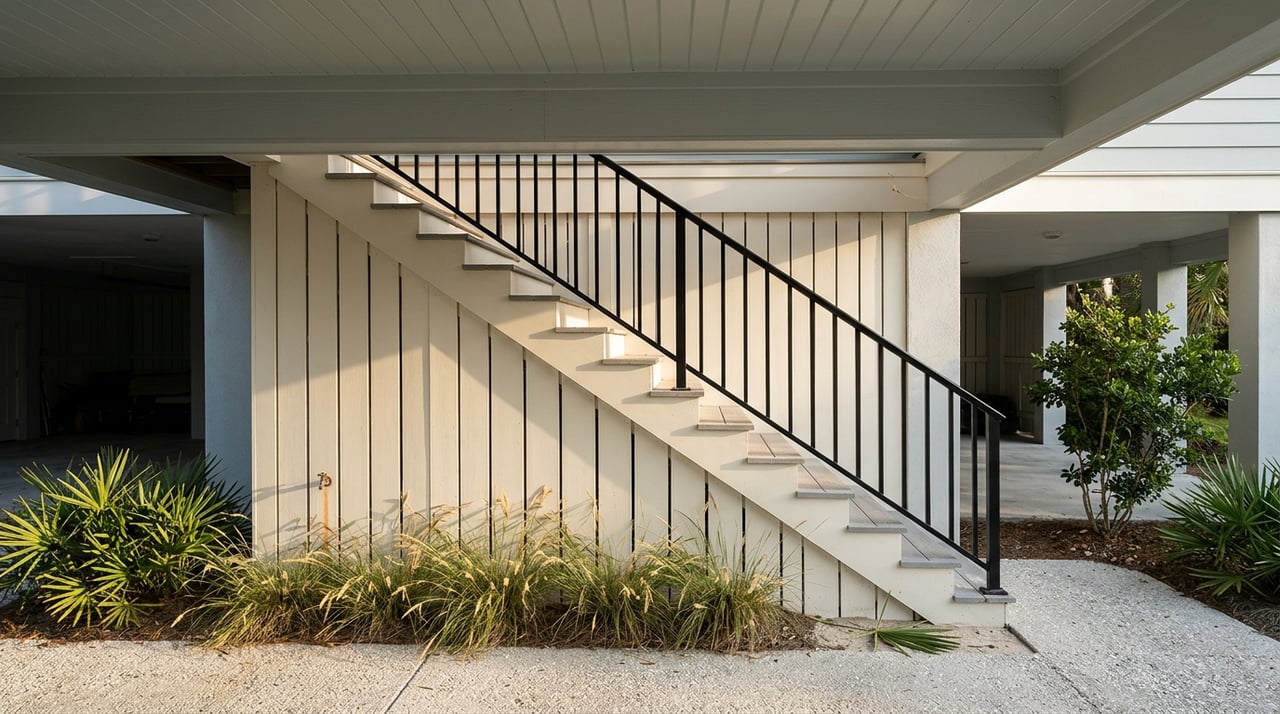
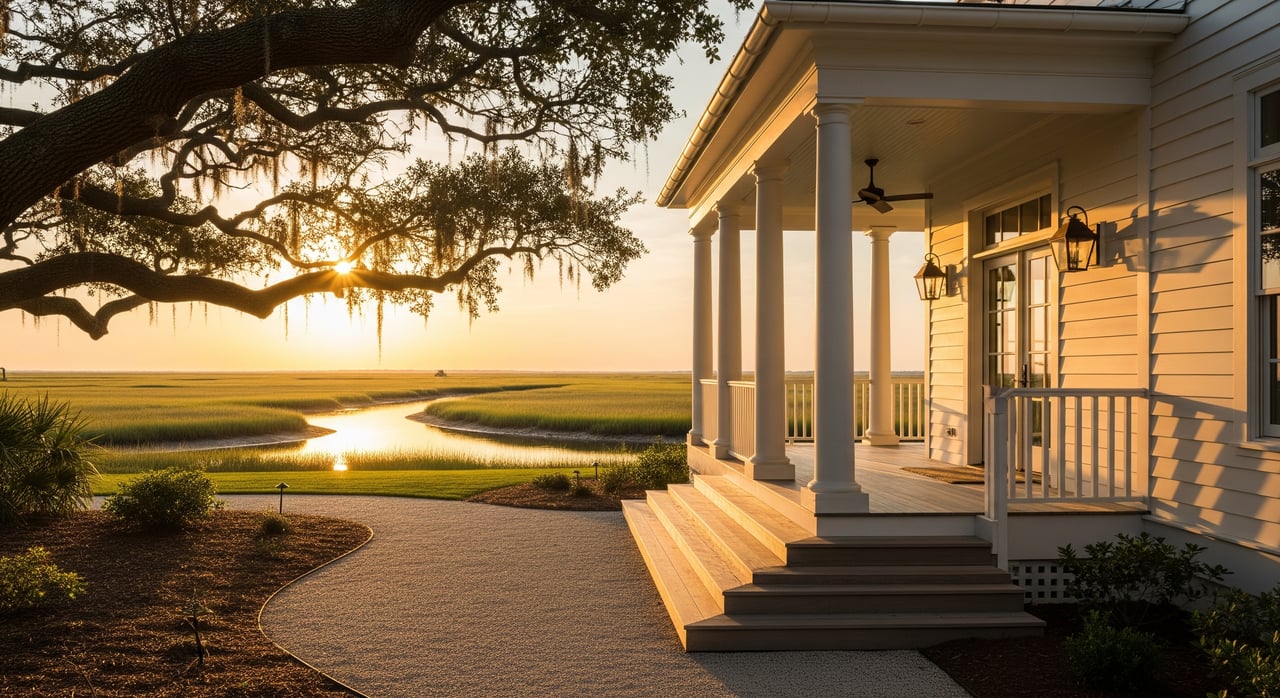
You will spot this style by its raised main floor on piers or a continuous foundation and a broad front porch or wrap porch. Stairs lead to the primary entry, and large windows and transoms encourage cross-breezes. Parking or storage often sits under the home. Siding is usually wood or fiber-cement, with metal or architectural shingle roofing. Porch floors may be open wood or composite.

What you gain: a classic coastal look and practical flood mitigation. Mechanicals and utilities are typically elevated, which can reduce flood vulnerability. Plan for regular exterior paint care due to salt air and proactive attention to stair and deck hardware, which can corrode faster along the coast.

Cottage

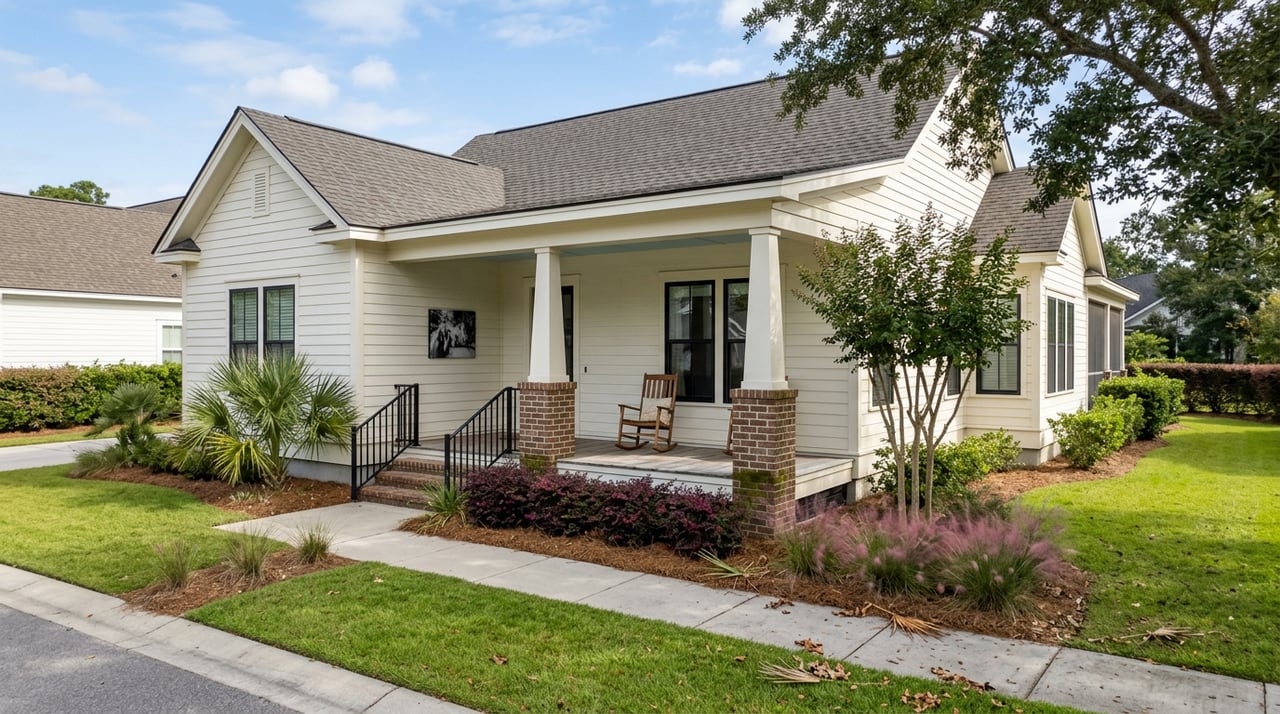
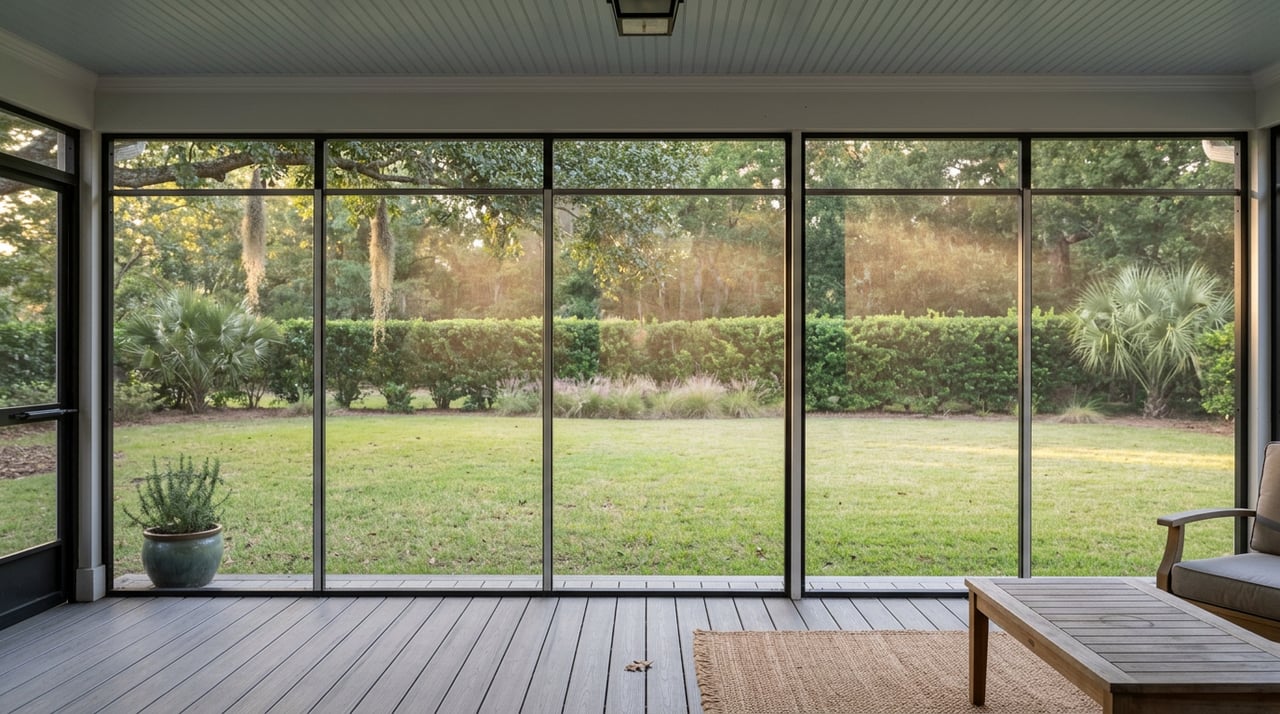
Cottage homes on Daniel Island tend to have modest to mid-size footprints with gables, dormers, and cozy covered porches. You often see shingle or clapboard siding, decorative trim, and shutters. Roofs are metal or asphalt, and porches may be screened to keep insects out while letting breezes in.

What you gain: a comfortable scale and strong indoor-outdoor connection. These homes can be lower maintenance by size, though trim and painted finishes still need regular care in a humid, salty environment.

Traditional with Charleston influence

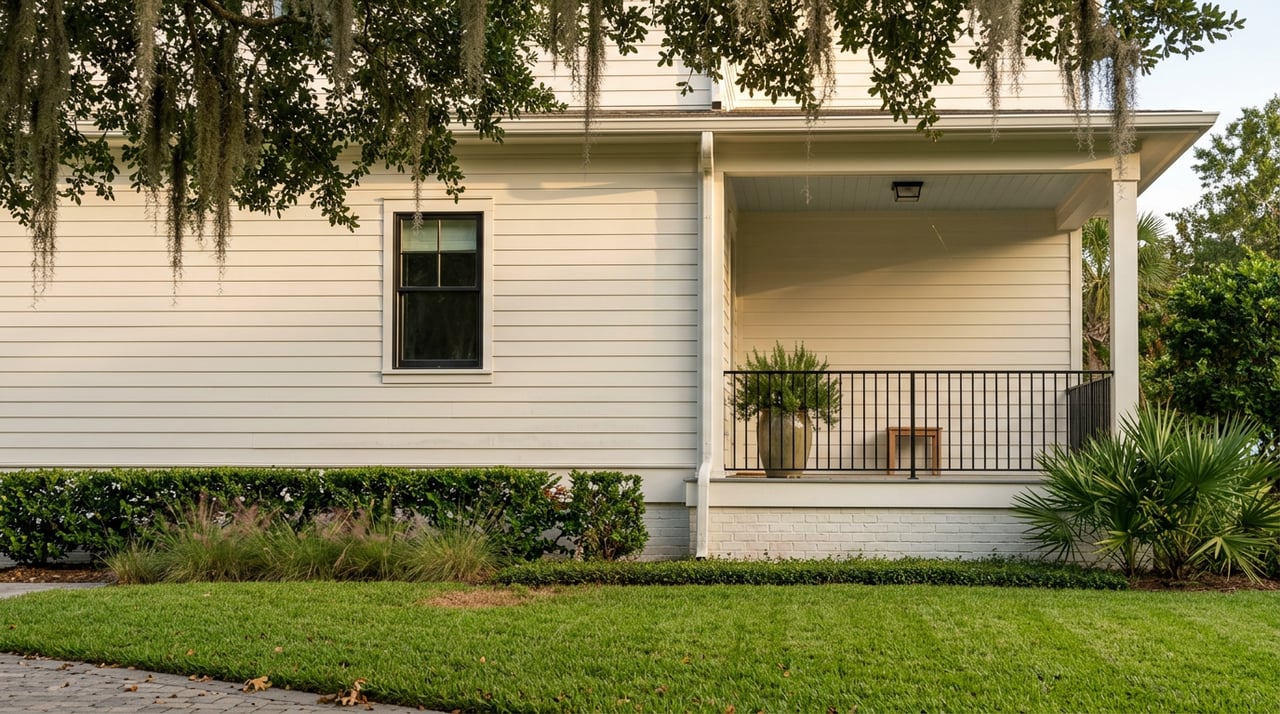
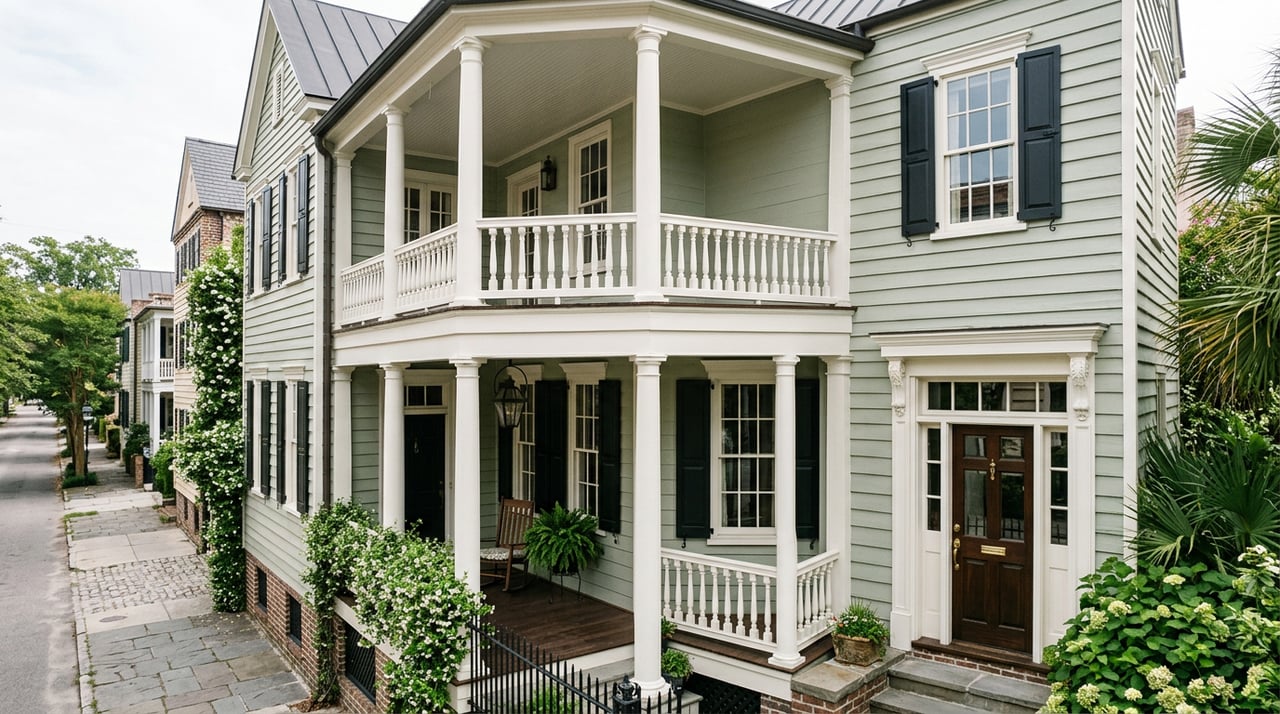
This look borrows from the region’s vernacular, with symmetrical facades or a side-porch orientation known as a piazza. Double porches are common, especially where a second-story porch stacks over the first. Expect tall windows, classical proportions, and details like brick foundations or piers, wood or fiber-cement siding, and sometimes standing-seam metal roofs.

What you gain: a timeless, more formal aesthetic adapted for modern living. Plan seasonal inspections for columns, balustrades, and porch details, alongside the standard coastal maintenance checklist.

Neoclassical or Southern Revival

If the home presents a grand front with prominent columns, centered entry, and balanced symmetry, you are looking at Southern Revival cues. Porches can feel like outdoor rooms for entertaining, with broad verandas or a formal portico. Materials often mix masonry accents with painted wood or fiber-cement siding, and the roof may be metal or high-grade shingles.

What you gain: a stately presence and expansive porch living. Architectural detail is a highlight, with masonry reducing some paint cycles but requiring upkeep of cap flashing and mortar in a salt-laden environment.

How to identify hybrids

On Daniel Island, many homes blend features. You might see an elevated cottage with a wrap porch or a neoclassical facade paired with coastal porch details. When in doubt, look at three cues: porch configuration, roofline, and whether the main living level is elevated. These signals tell you as much about how the home lives as any style label.

Exterior materials that last near salt and sun

Siding and cladding

  • Fiber-cement: A top pick in coastal areas. It resists rot and insects and holds paint well, which lowers long-term maintenance compared to wood.
  • Cedar or cypress: Beautiful grain and authentic Lowcountry character. Expect more frequent painting or staining, plus spot repairs in salt air.
  • Engineered vinyl or composites: Lower maintenance, though appearance and performance vary. Pay attention to heat buildup and fastener choices.
  • Brick and veneer: Durable and common at foundations or piers for elevated homes. Keep an eye on weep holes, flashing, and mortar joints where moisture is constant.

Roofs

  • Standing-seam metal: Popular for its longevity and wind resistance. It sheds salt spray well. Color retention and thermal performance vary by product.
  • Architectural shingles: Budget-friendly and common. Choose wind-rated shingles and corrosion-resistant fasteners. Expect shorter lifespans in marine conditions than metal.
  • What to check: continuous ridge and eave flashing, corrosion-resistant fasteners, and gutters sized for heavy rain.

Porches, railings, and decking

  • Flooring: Pressure-treated pine is traditional. Tropical hardwoods like ipe are very durable but can be costly. Composite decking is low maintenance and resists rot.
  • Railings: Painted wood achieves a classic look. Aluminum, cable, or fiberglass rails offer durability with less upkeep in salt air.
  • Columns: Wood offers authenticity. Fiberglass or composite columns resist rot and need less painting.
  • Screens: Screened porches are common. Choose stainless or similarly corrosion-resistant hardware for longevity.

Fasteners, flashings, and hardware

In a salt environment, corrosion control is key. Stainless steel or hot-dip galvanized fasteners with appropriate coatings help prevent rust and staining. Window and door flashing, thru-wall flashing, and properly integrated porch and roof flashings are essential where wind-driven rain meets humid air.

Paints and finishes

High-quality exterior primers and coatings designed for coastal exposure extend repaint cycles, but expect shorter intervals than inland. Bright light and humidity can accelerate chalking and fading, especially on darker colors. Lighter palettes can reduce heat absorption and help colors last longer.

Resilience, codes, and insurance basics

Flood risk and wind exposure are facts of Lowcountry life. Smart planning and documentation can improve your experience as a buyer or seller:

  • Check flood zones and elevation: Look up the property in official flood maps and request the elevation certificate. Insurers use this to rate risk.
  • Ask about wind and hurricane features: Look for roof tie-downs, engineered connections, impact-rated windows, reinforced garage doors, and elevated HVAC where applicable.
  • Confirm HOA and design review rules: Many Daniel Island neighborhoods require approvals for exterior changes, porch enclosures, materials, and paint colors. Get clarity before you invest in updates.
  • Verify permitting authority: Jurisdiction can vary across the Charleston area. Confirm the correct county or municipal office for permits and records.

What upkeep to expect along the coast

Routine care goes a long way in coastal conditions. Use this general cadence as a starting point and adjust for your home’s exposure and product specifications:

  • Exterior paint and trim: Inspect yearly. Plan for repainting or touchups roughly every 3 to 7 years, depending on exposure and coating quality.
  • Decks and porches: For exposed wood, inspect and reseal about every 1 to 3 years. Composite decking usually needs cleaning rather than sealing.
  • Roofs: Inspect annually and after major storms. Metal roofs often last 30 years or more with good installation. Architectural shingles commonly run 15 to 25 years, with coastal exposure shortening some lifespans.
  • Fasteners and hardware: Inspect at least once a year for corrosion. Upgrade to stainless where feasible.
  • HVAC and mechanicals: Schedule seasonal servicing. Raised platforms or flood-proofing for equipment can add resilience.
  • Termites and pests: Regular inspections are wise, especially around wood-framed porches and trim.

Match your style to your lifestyle

  • Low maintenance coastal starter: Look for small elevated cottages with fiber-cement siding, composite decking, and a screened porch.
  • Classic Lowcountry entertaining: Consider homes with wrap porches, double piazzas, tall windows, and substantial columns.
  • Modern coastal resilience: Prioritize standing-seam metal roofing, stainless or coated fasteners, raised mechanicals, and engineered foundations.
  • Renovation candidate: Historic charm with wood siding and detailed trim can shine with a budget for paint, porch rehab, and hardware upgrades.

Smart questions to ask before you buy or list

  • Has the property been elevated and is there an elevation certificate?
  • What flood zone is it in, and what is the current flood insurance cost and history?
  • What materials are used for siding, roofing, decking, and fasteners, and are they corrosion resistant?
  • When were the roof, exterior paint, siding, HVAC, and porch systems last serviced or replaced?
  • Are there HOA covenants or design review rules that affect exterior changes or porch enclosures?
  • Are there documented termite treatments or transferable warranties?

Quick visual checklist for home tours

  • Porch type: Full-width, wraparound, side piazza, screened, or double porch.
  • Elevation: How high is the main floor, and are there visible piers or flood vents?
  • Siding texture: Cedar shakes, clapboard, fiber-cement lap, or brick veneer.
  • Roof material: Standing-seam metal or architectural shingles.
  • Trim condition: Any peeling paint, rust staining at fasteners, or sagging porch members?
  • Foundation and storm openings: Flood vents, open bays, and signs of erosion or scour.
  • Landscaping and grading: Salt-tolerant plantings and drainage away from the structure.

Thinking about updates before selling?

If you plan to list, exterior refreshes can make a strong first impression. Focus on paint touchups, porch and stair safety, clean rooflines and gutters, and a tidy screened porch. Confirm neighborhood design guidelines before you choose colors or materials. Strategic updates that respect Lowcountry style and coastal durability help your home show well and reduce buyer objections during inspection.

Your Daniel Island next step

Whether you love the simplicity of an elevated cottage or the elegance of a Southern Revival facade, the right porch, materials, and maintenance plan will shape how your home lives for years. If you want help matching styles to your lifestyle, estimating likely upkeep, or preparing a property for market within neighborhood guidelines, reach out. As a local advisor with a high-touch, organized process, I can guide you from shortlist to closing with clear next steps and vetted vendors.

Ready to talk through your goals or prep your home for sale? Connect with Roslyn Kay Parker to get local guidance and Request a Free Home Valuation.
FAQs

What are the most common Daniel Island home styles?

  • Elevated coastal, cottage, Charleston-influenced traditional, and Neoclassical or Southern Revival are the most common, often blended into hybrids.

How do porches differ across Lowcountry styles?

  • Elevated coastal homes favor full-width or wrap porches, Charleston-influenced homes use side piazzas and double porches, and Southern Revival styles showcase grand verandas or porticos.

Which siding materials hold up best near salt air?

  • Fiber-cement is a leading choice for durability and paint retention, with brick accents also performing well; wood siding looks authentic but needs more frequent maintenance.

Is a metal roof worth it in the Charleston area?

  • Standing-seam metal offers strong wind resistance and long life along the coast, while architectural shingles can perform well if wind rated and properly fastened.

How often should I repaint a coastal home?

  • Plan annual inspections and expect repainting or touchups roughly every 3 to 7 years, depending on exposure, product quality, and substrate.

What should I verify before altering a porch or exterior?

  • Confirm HOA or community design review requirements, verify the correct permitting authority, and ensure materials and fasteners meet coastal and wind-load best practices.

Work With Roslyn Kay

Roslyn Kay is not your typical 9 to 5 Agent that waits on an opportunity for clients, she creates it! The time is now, let's make history together. Contact her today to find out how she can be of assistance to you!