Is a seller’s disclosure the green light to skip inspections? Not in Charleston. The disclosure is a helpful starting point, but it is not a warranty or a full history of the home. You want to know how to read it, what to verify, and how to use it to protect your budget. In this guide, you’ll learn what South Carolina’s seller disclosure covers, the Charleston issues that show up most often, and the smart next steps to take before you sign. Let’s dive in.
What the South Carolina disclosure is
South Carolina uses a standard Seller’s Property Disclosure Statement that sellers typically complete during listing or when marketing begins. It captures the seller’s current knowledge of the home across key areas like structure, systems, flooding, pests, and insurance claims. It is a snapshot of what the seller knows, not a guarantee of condition.
Sellers still have a broader legal duty to disclose known material defects and cannot misrepresent facts. Separate federal rules also apply in specific cases. If the home was built before 1978, federal law requires a Lead-Based Paint Disclosure and any available reports to be shared, and buyers must be given the chance to conduct a lead inspection before they are obligated by contract.
Some transfers may be exempt or handled differently, such as certain court-ordered transfers, fiduciary sales, or some new construction. When in doubt, ask the listing agent early and consider consulting a real estate attorney for transaction-specific questions.
When you receive it
You typically receive the disclosure at listing review or with the offer paperwork. Review it before you finalize your offer strategy when possible. If it arrives after you go under contract, use your inspection window to verify details and follow up on any gaps or red flags.
If the home is pre-1978, make sure you see the separate federal lead-based paint form before you are obligated under contract. For homes in potential flood zones, expect sellers to disclose known water intrusion or flood insurance claims, but verify independently.
How to read the form
Seller disclosures usually use Yes, No, or Unknown for each item with space for comments. Treat this as a guide to where you should ask more questions and what you should inspect.
Yes/No/Unknown: what it means
- Yes means the seller knows of the condition or event and should explain in comments.
- No means the seller is not aware of an issue.
- Unknown means the seller lacks actual knowledge. Frequent Unknown answers in areas owners typically track, such as roof age or HVAC service, are cues to investigate.
Immediate red flags to flag
- Past flooding, water intrusion, drainage problems, or flood insurance claims.
- Foundation or structural repairs, significant settling, or cracks that required repair.
- Roof leaks, storm or hurricane damage, or recent patching without details.
- Termite or other wood-destroying organism treatment and repairs.
- Unpermitted additions or work without inspections.
- Septic system use or noted septic repairs if not on public sewer.
- Insurance claim history with repeated events, especially wind, flood, or water.
- HOA noted with unclear restrictions or rules.
Documents to request right away
- Receipts, permits, inspection reports, and contractor warranties for disclosed work.
- Termite/WDO reports and repair records.
- Roof, HVAC, plumbing, and electrical service records.
- Insurance loss history or a CLUE report from the seller when available.
- HOA documents: CC&Rs, bylaws, budget, and recent meeting minutes.
- Survey or plat showing boundaries, easements, and encroachments.
- Elevation certificate if the property may be in a flood zone.
Due diligence steps for Charleston buyers
Charleston homes can be affected by coastal conditions, historic regulations, and flood risk. Use the disclosure to shape a focused due diligence plan.
Inspections to order
- General home inspection covering structure and major systems.
- WDO/termite inspection. Termite issues are common in coastal South Carolina.
- Roof and HVAC specialist evaluations if age or issues are disclosed.
- Septic inspection if the property is not on public sewer.
- Structural evaluation for homes with elevated construction, pilings, or noted settling.
Flood and insurance checks
- Confirm the flood zone and request the elevation certificate if the home is in a Special Flood Hazard Area.
- Obtain flood and homeowner’s insurance quotes early, especially if the disclosure references water intrusion or prior claims.
- Ask for documentation of any drainage improvements or flood-mitigation work.
Permits, additions, and historic review
- If the seller notes additions or repairs, confirm permits were pulled and final inspections were completed with the local municipality.
- For homes in Charleston’s historic districts, understand that exterior changes may require local review. The seller disclosure may not fully capture these limits, so verify project feasibility with local authorities.
HOA and community rules
- If an HOA exists, request the CC&Rs, bylaws, budgets, and any rule summaries early. Compare the disclosure notes to the actual documents so you understand restrictions, fees, and planned projects.
Charleston-specific issues to watch
Charleston’s environment and regulations create patterns you will often see reflected in disclosures. Keep a close eye on these topics.
- Flooding and drainage. Large parts of the metro area fall within FEMA-designated flood hazard zones. Disclosures that mention past flooding, standing water, or drainage fixes warrant deeper evaluation and insurance planning.
- Hurricane and wind damage. Prior roof or window repairs are common. Ask for permits, contractor details, and warranties to confirm quality and compliance.
- Termites and WDO. Coastal humidity supports activity. Look for treatment history, repair invoices, and current protection plans.
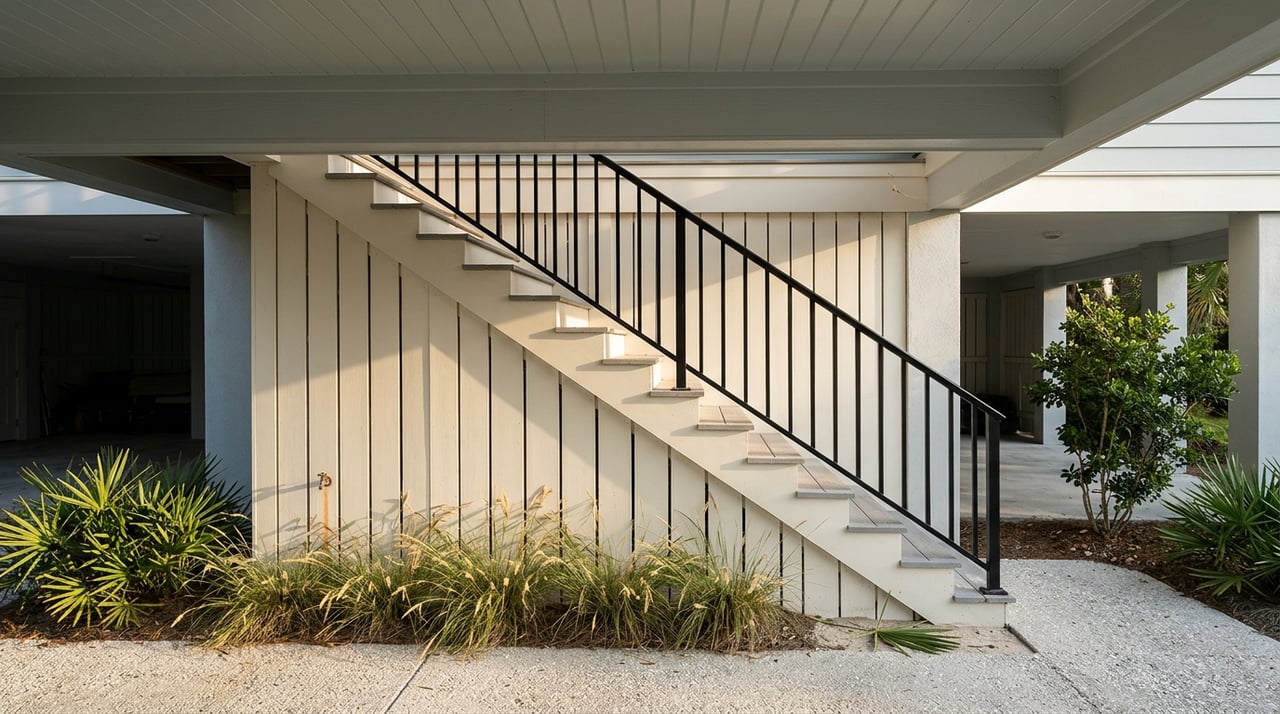
- Foundations and pilings. Elevated homes should be evaluated for settling, wood rot, or prior structural repairs. Bring in a local structural specialist if anything is disclosed.
- Historic district constraints. Homes in protected areas may have limits on exterior changes. Confirm your renovation plans before you commit.
- Utilities and septic. Some islands and older neighborhoods use septic or private wells. If septic is disclosed, order a septic inspection and verify service history.
- Insurance costs and availability. Multiple prior claims or high-risk locations can impact insurability and premiums. Verify quotes within your inspection period.
Using disclosures to strengthen your offer
The disclosure is leverage. If the seller reports issues, you can tailor your offer and contingencies to manage risk and protect your budget.
- Request repairs with contractor bids and completion receipts.
- Seek a price reduction or a seller credit at closing to cover repairs you prefer to handle after move-in.
- Ask for warranties on major systems or roof, or an escrow hold if work cannot be finished before closing.
- Keep your inspection contingency strong so you can renegotiate or walk away if undisclosed or material issues surface.
If a defect is discovered after closing that was knowingly concealed or materially misrepresented, remedies may include contract or legal claims. Discuss options with a real estate attorney who understands South Carolina rules.
Common pitfalls to avoid
- Treating Unknown as “all clear.” Unknown answers are signals to investigate. Ask follow-up questions in writing and verify with inspections and records.
- Skipping permit checks. Unpermitted work can create safety and insurance issues. Confirm permits and final inspections for additions and major repairs.
- Delaying insurance quotes. Premiums can affect affordability. Get quotes for homeowners and flood coverage during your due diligence window.
- Overlooking HOA rules. The disclosure might note an HOA, but the details live in the CC&Rs and bylaws. Read them before you remove contingencies.
A smoother path with local guidance
A well-read disclosure can save you time, money, and stress. In Charleston, it pays to pair that form with targeted inspections, flood and insurance checks, and permit verification. With a clear plan, you can negotiate with confidence and move forward on the right home.
If you want a calm, step-by-step process from first showing to closing, connect with Roslyn Kay Parker for local guidance, vetted inspectors, and a due diligence checklist tailored to your Charleston home search.
FAQs
What is a South Carolina seller’s property disclosure?
- It is a seller-completed form that outlines the seller’s current knowledge of a home’s condition across major systems, structure, environmental risks, flooding, pests, insurance claims, and HOA matters.
How do lead-based paint rules affect Charleston buyers?
- For homes built before 1978, federal law requires a Lead-Based Paint Disclosure and available reports, and buyers must be given an opportunity for a lead inspection before being obligated under contract.
What should I do if flooding is disclosed on a Charleston home?
- Request repair records and any flood insurance claim information, confirm the flood zone, obtain an elevation certificate if applicable, and secure flood insurance quotes during your inspection period.
Are new construction homes exempt from South Carolina disclosures?
- Some new construction and certain court-ordered or fiduciary sales may be handled differently or be exempt, but sellers still must avoid misrepresentation; verify the applicable rules for your transaction.
How do HOA rules relate to the seller’s disclosure in Charleston?
- The disclosure may note an HOA and basic fees, but you should request the full CC&Rs, bylaws, budgets, and recent minutes to understand restrictions, planned projects, and any costs that could affect ownership.